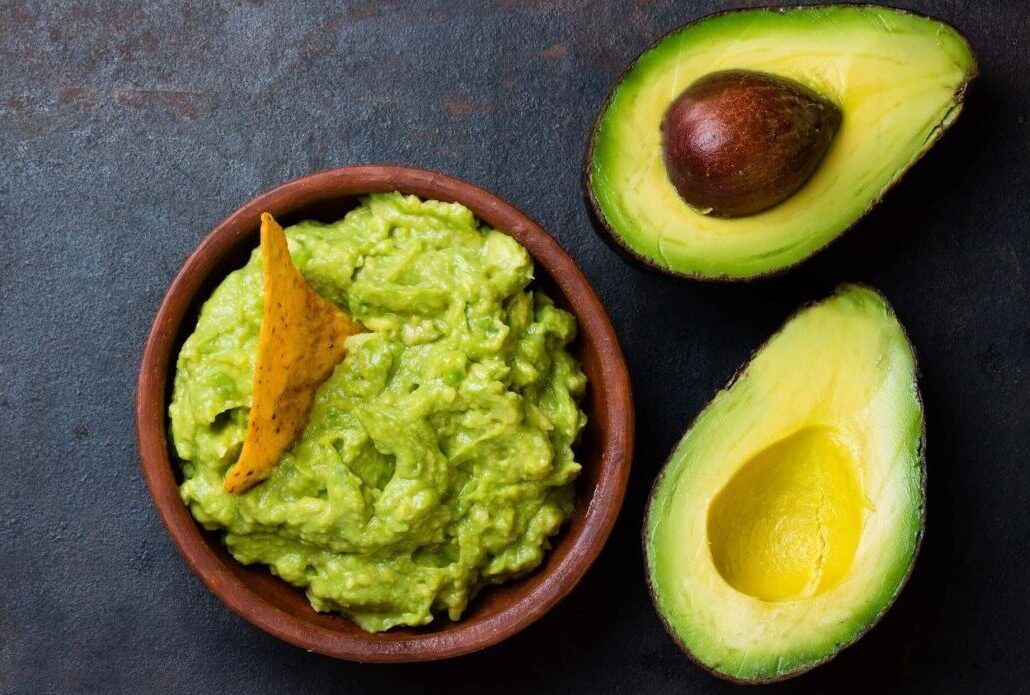
On July 31, we celebrate International Avocado Day, a date that pays tribute to one of the most versatile, nutritious, and iconic fruits on the planet. With ancestral origins in Mesoamerican lands, the avocado has not only conquered palates around the world, but it has also transformed Mexico’s rural economy, inspired global culinary trends, and earned the title of superfood thanks to its impressive nutritional profile.
From ancient Maya and Aztec rituals to the guacamole dish served during the Super Bowl in the United States, this fruit—yes, fruit—has traveled a long and delicious road. Join us on this journey through the history, benefits, culture, and impact of the Mexican avocado, the true “green gold.”
Millennia-old roots: from ritual to global table
Originally from Mesoamerica, the avocado has a history that dates back over 10,000 years. Remains of the fruit were found in the Coxcatlán cave in Puebla, showing it was consumed since prehistoric times. The word “avocado” comes from the Nahuatl ahuacatl, meaning “testicles of the tree,” not just for its shape, but also its symbolic association with fertility in ancient cultures.
For the Aztecs and Mayas, the avocado was a sacred food. They valued it both for its flavor and its medicinal properties. It was used in rituals, offered as tribute, and considered food of the gods. With the arrival of the Spanish conquistadors, the fruit began to be exported and, over time, conquered kitchens in Europe, the Americas, and Asia.
Mexico, the undisputed global production leader
In 2023, Mexico reached a production of 2.7 million tons of avocado, reaffirming its position as the world’s leading producer and exporter. Of that total, 1.4 million tons were exported, representing a year-over-year growth of 17%. 81% of these exports were destined for the United States, a market that has made Mexican avocados a staple, especially during massive events like the Super Bowl.
During Super Bowl LVIII, 138,000 tons of avocado were exported to the U.S., a clear sign of its demand and popularity. Currently, it is estimated that 4 out of every 5 avocados consumed in the U.S. come from Mexico.
Avocado cultivation in numbers
- Since 2013, Mexican production has grown by a cumulative 80.7%.
- Planted area grew by 2% in 2023 alone.
- Michoacán, with Denomination of Origin, is the main producing state.
- There are over 400 cultivars, including Hass, Fuerte, Criollo, Zutano, and Mexicola.
- Peru, with 598,000 tons exported, is Mexico’s main competitor.
The superfood conquering the world
Avocado is not only delicious—it’s a nutritional powerhouse. It’s considered a superfood because of its high content of healthy fats, fiber, vitamins, and minerals.
Key nutritional benefits
- Monounsaturated fats: mainly oleic acid, which helps reduce LDL (“bad”) cholesterol and increase HDL (“good”) cholesterol.
- High in potassium: contains more potassium than bananas. Supports heart and muscle health.
- Vitamins C, E, K, B5, and B6: essential for immunity, blood clotting, and cell health.
- Dietary fiber: improves digestion and prolongs satiety.
- Antioxidants and anti-inflammatory properties: fight oxidative stress and promote healthy skin and hair.
Its nutritional profile makes it ideal for all kinds of diets, from vegan and vegetarian to ketogenic. It’s also suitable for people with lactose intolerance, as its creamy texture can replace dairy in recipes like dressings, cakes, and mousses.
Culinary versatility: from guacamole to sushi
Avocado has gone beyond its traditional role as a guacamole ingredient to become a global star. From avocado burgers with avocado instead of bread to avocado ice cream, including gourmet salads, smoothies, sushi, tarts, and viral toast creations on social media—its versatility knows no bounds.
Some creative examples include:
- Avocado ice cream: a refreshing, creamy, dairy-free dessert.
- Vegan sushi using avocado as a fish substitute.
- Avocado burger: replaces the bun with avocado halves.
- Avocado brownies: swaps butter for mashed avocado.
- Avocado cocktails: like the “Avo Margarita,” which uses its texture for a unique twist.
Cultural impact and national pride
In Mexico, avocado is a symbol of cultural identity. You’ll find it in tacos, tortas, pozoles, ceviches, soups, breakfasts, and snacks. It stars in celebrations, cookouts, family gatherings, and football matches. Its flavor, texture, and color make it irreplaceable for Mexicans. In many rural regions, avocado trees are considered family heritage and their harvest a generational legacy.
Moreover, avocado is an economic driver: it generates jobs, boosts exports, and energizes complex logistics chains that include transportation, refrigeration, packaging, and international distribution.
How to celebrate International Avocado Day?
Every July 31 is a chance to honor this special fruit. Here are a few ways to celebrate:
- Make delicious homemade guacamole with Mexican avocado.
- Try innovative recipes like a tropical salad or green smoothie.
- Share dishes on social media using the hashtag #NationalAvocadoDay.
- Buy avocados from local producers.
- Visit Michoacán and explore the avocado routes.
- Support businesses that promote sustainable gastronomy using Mexican ingredients.
Green gold curiosities
- It’s a fruit, not a vegetable.
- Its seed can represent up to 20% of the fruit’s weight.
- There are over 400 varieties, with Hass being the most commercialized.
- An avocado tree can take up to 10 years to bear fruit if not grafted.
- Its leaves are used in dishes like mixiotes or tamales.
- Avocado oil is ideal for cooking due to its high smoke point.
A fruit of the future
The global popularity of avocados keeps rising. According to the Hass Avocado Board (HAB), avocado consumption in the U.S. quadrupled between 2000 and 2015. Its rise reflects the shift toward natural, functional, and healthy foods. It also highlights a more conscious consumer who values both flavor and sourcing.
In that sense, avocado is more than just food: it’s a tool for rural transformation, a symbol of Mexican biodiversity, a vehicle of culture and wellness. Today, more than ever, green gold shines on menus worldwide and in the minds of those seeking responsible consumption.
Identity, flavor, and wellness
Avocado represents the best of Mexico: natural wealth, ancestral wisdom, authentic flavor, and national pride. On International Avocado Day, we celebrate not just a fruit but a millennia-old legacy that nourishes bodies, economies, and hearts.
So this July 31, honor the Mexican avocado. Enjoy it in all its forms, share it, promote it, and remember that behind every bite lies a deep story of land, labor, culture, and health.
Happy International Mexican Avocado Day!