Vending machines, once seen as a simple solution for quick cravings, have evolved into an essential piece of modern commercial infrastructure. Their relevance persists due to their adaptability to technological advancements, product diversification, and ability to meet consumer demands for convenience and accessibility.
From humble origins to today’s sophisticated systems, these machines have kept pace with changing market needs and consumer behavior. In this context, we’ll explore how history, technological innovations, and consumption trends have made vending machines a cornerstone of urban and corporate landscapes worldwide.
History and Evolution of Vending Machines
The concept of vending machines is not new. Their roots trace back to the 1st century AD, when Hero of Alexandria designed a mechanism to dispense holy water in Egyptian temples. Though not a modern vending machine, it laid the groundwork for automated product distribution without human intervention. However, it was during the Industrial Revolution that vending machines gained popularity. In 1883, London saw the installation of the first modern vending machine for postage stamps, marking the start of a global expansion.
During the 20th century, vending machines became autonomous solutions for distributing candies, beverages, and cigarettes. The shift from mechanical to electronic mechanisms was pivotal. Early machines relied on levers and springs, limited to coins and pre-packaged products. As technology advanced, vending machines incorporated electronics, enabling them to accept bills, credit cards, and even mobile payments. Today, over 78% of vending machines in developed countries use digital interfaces, reflecting a shift toward efficient automation and improved consumer experiences.
Adaptation to Modern Contexts
One of the most significant adaptations occurred during the 2020 pandemic. The need to minimize physical contact and health risks accelerated the rapid adoption of contactless technologies. Today, many vending machines feature proximity sensors and mobile apps that let users purchase items without touching surfaces. This innovation has boosted user trust, enabling safe and efficient transactions.
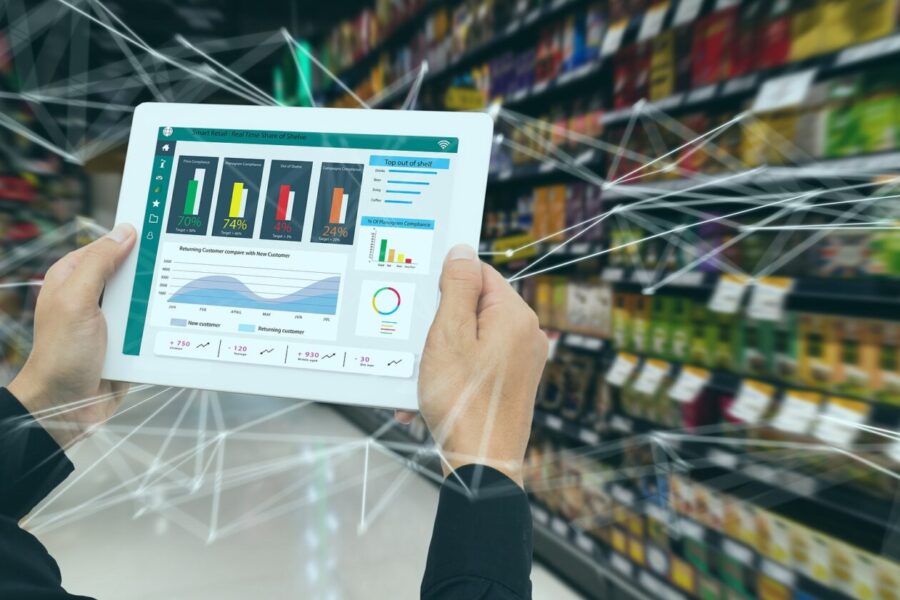
Additionally, data analytics integration allows operators to manage inventories more effectively. Real-time data collection helps predict product demand and adjust stock precisely, increasing profitability and consumer satisfaction. This data-driven approach has transformed the vending business model, enabling better personalization and adaptability.
Classification and Types of Vending Machines
Vending machines have evolved into diverse forms and sizes, adapting to various needs and contexts. They can be classified by mechanism, location, or product type.
By Mechanism
Mechanical machines, though outdated, remain relevant in niche settings. They use springs and rollers to dispense uniform products like soda cans or chips. However, electronic machines dominate today’s market. These feature LCD screens, internet connectivity, and remote management. They also accept credit/debit cards and mobile payments, marking a significant evolution.
By Location and Target
Vending machines fall into three main categories: captive, semi-public, and public. Captive vending serves employees in factories or offices with restricted hours, offering energy drinks, protein snacks, and quick-consumption items.
Semi-public vending is common in hospitals and airports, mixing basics (water, coffee) with specific items like over-the-counter medicines or hygiene kits. Public vending targets general audiences in high-traffic areas like subway stations, prioritizing convenience with sodas, cookies, and sandwiches.
Design and Capacity Innovations
Technological advances have spawned new machine types. Minivending models, compact and portable, thrive in schools, gyms, and offices, dispensing gum, cookies, or sports supplements.
Post-mix machines prepare beverages on-site by mixing syrup, carbonated water, and ice, reducing storage costs and ensuring freshness. These are popular in restaurants and malls.
Top-Selling Products and Market Strategies
The most sold items in vending machines remain salty snacks and cold beverages. Recent studies show potato chips and nuts account for 34% of global transactions. Cold drinks follow, with bottled water and sugar-free sodas at 28%. In offices, hot beverages like coffee and tea drive morning revenue peaks.
Rise of Healthy Options
Demand for healthier products has grown. Organic, gluten-free, or keto options—protein bars, dried fruits, and pre-packaged salads—are gaining traction. In Nordic countries, 60% of university vending machines offer vegan alternatives, reflecting consumer health concerns.
Prepared and Fast Food
Prepared meals are popular in transit hubs. Travelers seek quick options like pre-packaged sandwiches or chicken wraps. In Japan, Hotto Motto machines sell 24/7 hot bento boxes using built-in microwaves.
Innovative and Technological Vending Machines
Tech innovations have reshaped vending. Modern machines boast touchscreen interfaces, letting users browse digital catalogs, view nutritional info, and pay securely.
Contactless payments are another leap. Systems like Apple Pay or Bizum have slashed cash use. By 2024, 92% of EU vending machines accepted NFC mobile payments, highlighting digitalization.
Sustainability and Energy Efficiency
Eco-friendly designs are now critical. Manufacturers like Jofemar use solar panels and low-consumption motors (47W) to cut carbon footprints. Magnetocaloric cooling eliminates harmful refrigerants, aligning with environmental regulations.
Unusual Vending and Niche Markets
Beyond tradition, quirky machines serve niche markets. In California, Farm Fresh To You dispensers sell organic eggs and vegetables, restocked daily by local farmers. Oslo machines vend sushi onigiri with a 95% turnover rate, reflecting demand for fresh, gourmet items.
Tokyo parks have machines for dog kibble and chew toys. In Idaho, BaitMaster sells live fishing worms in refrigerated compartments. South Korea’s GS Retail dispenses 24-karat gold bars, with monthly transactions exceeding $30 million (2024). Adult vending machines for condoms or toys also exist. These eccentric examples prove a key principle: vending thrives by meeting hyper-specific needs in critical moments.
What’s Next for Vending Machines?
Vending machines have shown remarkable adaptability to tech and market shifts. Their evolution is driven by mechanism innovations, product diversity, and advanced tech like contactless payments and sustainability. As consumers seek convenience and personalization, vending machines will remain vital, adapting to trends and delivering sophisticated, accessible experiences.
In his book The Design of Everyday Things, Don Norman writes: “Good technology is invisible.” Tomorrow’s vending machines won’t compete on speed or smarts but on seamless integration into daily rituals. Imagine an Alpine village machine showing cocoa’s journey from Ghana when dispensing hot chocolate, or senior center dispensers offering personalized anniversary reminders.
The next revolution won’t lie in sensors or cryptocurrencies but in remembering that, even in the algorithm age, we seek machines that understand us… without explanation.