There are moments that transcend the sports calendar and become cultural assets. The 2026 World Cup is one of them. Not only because of the scale of the event, but because of what it represents for Mexico: becoming the first country in history to host three World Cups. With one hundred days to go before kickoff, Diageo announced the launch of a series of limited editions for 2026 World Cup from its most representative brands in the country —Don Julio, Buchanan’s, Johnnie Walker and Smirnoff— with a clear objective: to capitalize on the cultural moment before it unfolds.
The move is not new in the industry, but it is becoming increasingly sophisticated. Brands have stopped seeing sports as a sponsorship space and now understand it as a territory for cultural construction. In this case, Diageo translates the World Cup into design, narrative and collectability.
Six bottles, the same liquid quality, but a completely reimagined exterior. The value is not in the product, but in what it represents.
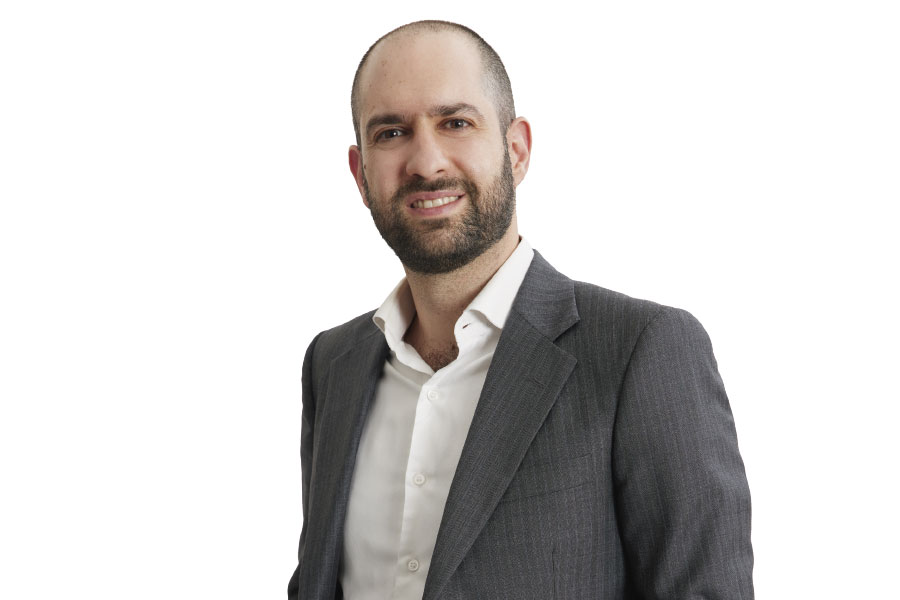
“We elevate the season experience by transforming our brands into true collectible objects,” explained Jay Sethi, Senior Vice President of Marketing and Innovation at Diageo Mexico.
The statement defines the strategy: this is not about launching a special edition, it is about intervening in the meaning of the product.
Design as a narrative of a country
Each brand within the portfolio responds to a different logic, but under the same axis: Mexico as story and as emotion.
- Don Julio 70 builds its design around three key moments. The 1970 World Cup, which redefined how football was experienced with color broadcasting; the 1986 edition; and the creation of “the wave,” a gesture that transcended stadiums and became a global language.
- Don Julio 1942, on the other hand, positions itself through aspiration. A golden aesthetic that evokes the trophy and turns the bottle into a symbolic object closer to ritual than consumption.
- Buchanan’s moves toward contemporary cultural identity. Its collaboration with the collective Kids of Immigrants, under the concept “One Ball, One Dream,” brings the World Cup into street language, where celebration is not institutional, but communal.
- Johnnie Walker executes one of the most relevant brand gestures. For the first time in over a century, the Striding Man changes. He jumps. He elevates. The symbol evolves without breaking its identity, in an exercise few brands allow themselves.
- Smirnoff, by contrast, opts for a direct appropriation of national pride. The Mexican tricolor becomes the protagonist, while its FIFA-linked edition integrates visual codes from the tournament in a more accessible language.
Limited edition as a strategy of urgency
The concept of limited edition is not new, but in this context it takes on a more strategic function: it not only drives purchase, it activates a sense of belonging.
As pieces that will not be repeated, these Diageo’s bottles position themselves in an intermediate territory between consumption and collection. A space where perceived value increases because the moment is unrepeatable.
Mexico will host the tournament for the third time, and Diageo builds on that narrative.
From product to cultural platform
The most relevant point is not in the design, but in what comes next.
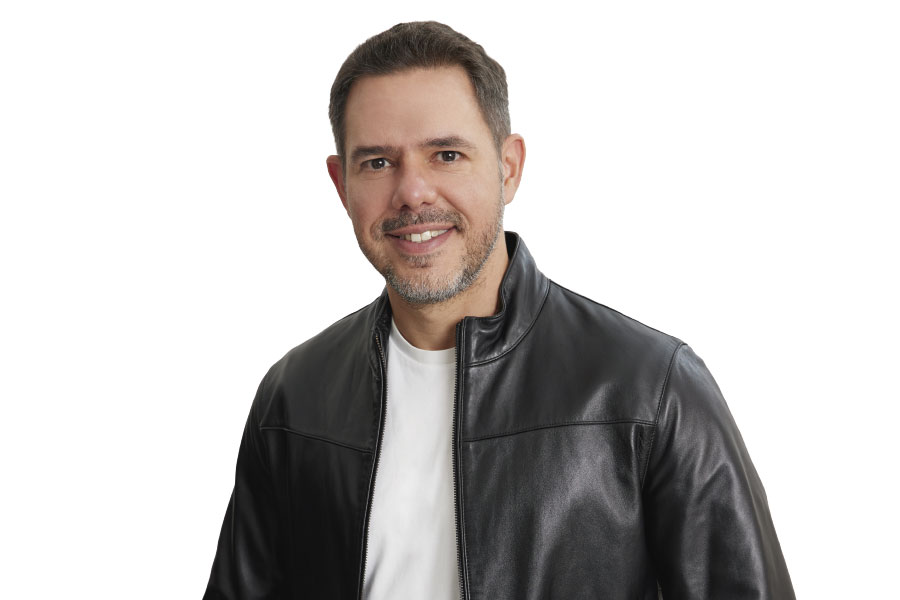
“Innovation does not end at launch… we understand culture as a strategic driver,” said Héctor Vélez, Innovation and Culture Transformation Director at Diageo Mexico.
That is the key. The bottles are the entry point; the conversation is the real objective.
Because in today’s economy, value is not built only at the point of sale, it is built in the ability to remain in the consumer’s mind beyond consumption.
The 2026 World Cup will be, for weeks, the center of global attention, but for brands, it started long before.
In an industry where growth increasingly depends on perceived value rather than volume, turning an event into an object, design and conversation is not a creative tactic, it is a business decision.
In the premium consumption arena, it is not the brand with more product that wins, but the one that makes that product mean something.
Keep reading:
-
The 2026 World Cup, the new total business platform for brands
-
When Levi’s understood the value of football before anyone else: the story with Leonardo Cuéllar ahead of Argentina 78
-
How Argentina bought Tepito jerseys that led them to victory in Mexico 86
-
Guadalajara, the preferred host city for the 2026 World Cup
-
The history of World Cups – Mexico 1986