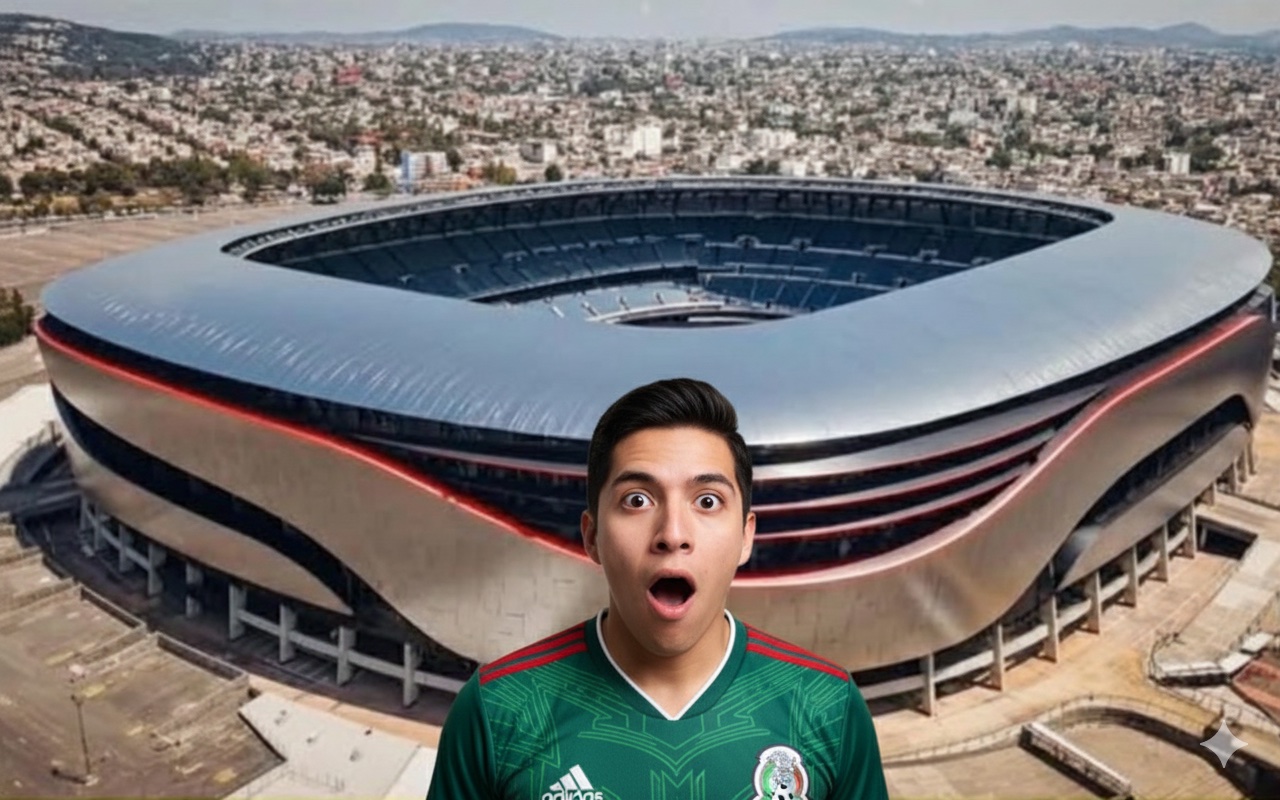
The excitement for a renovated Coloso de Santa Úrsula has taken over Mexico City. A viral image —a kind of metallic creature wrapped in red lights— suggests that the legendary Estadio Azteca has mutated into a futuristic “mega-stadium-sphere.” But how much of that is reality and how much is rumour?
What do we know for certain about the Estadio Azteca’s renovation?
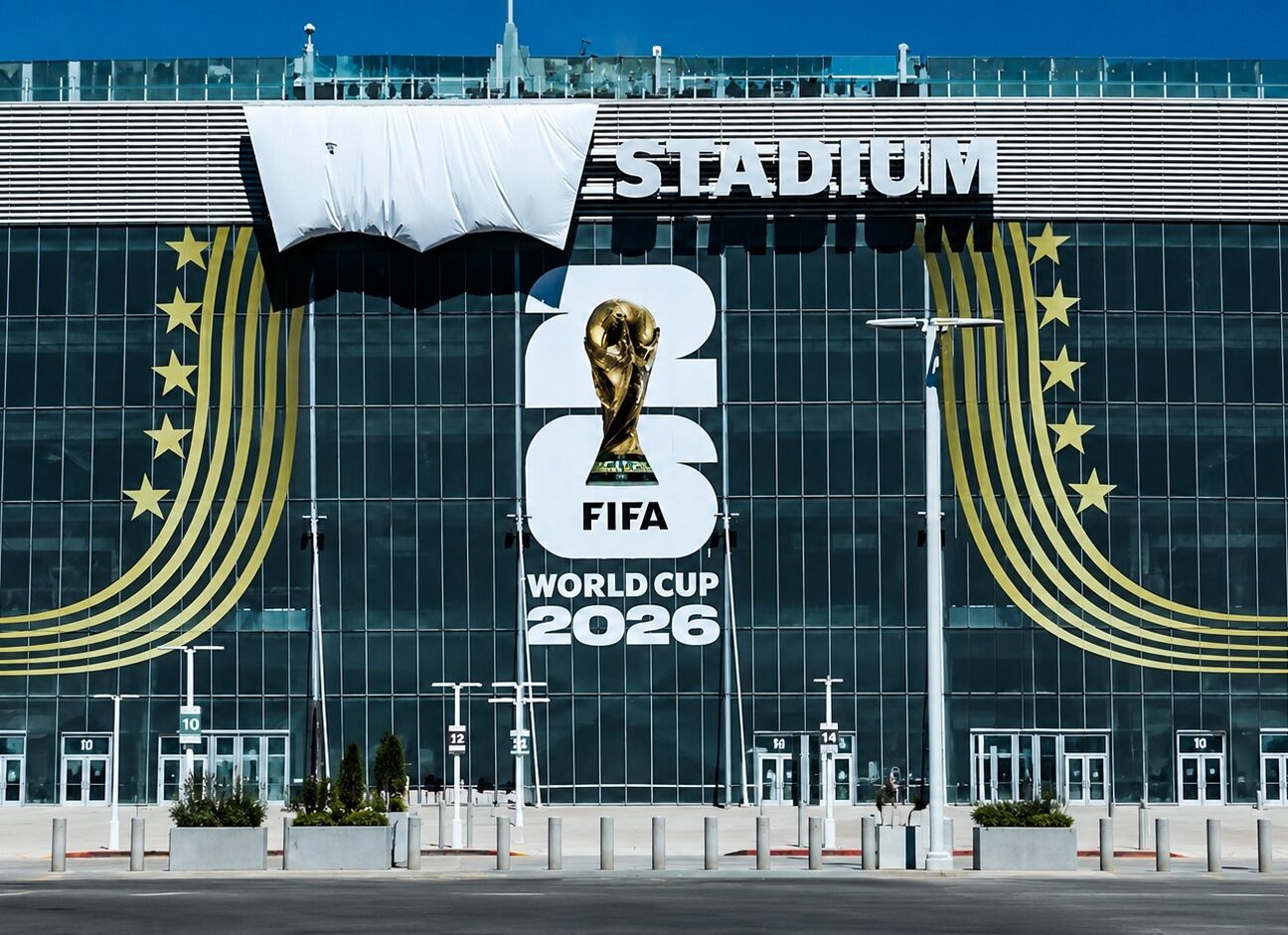
The Estadio Azteca —which during the 2026 FIFA World Cup will be officially named Estadio Ciudad de México (thanks to the sponsorship of Banorte)— is undergoing a complete transformation. Authorities confirmed its reopening is scheduled for March 2026, as part of the adaptations for the tournament. Improvements were announced for locker rooms, hospitality, VIP boxes, and updates to stands and facilities. Furthermore, CDMX is already listed as the venue for the World Cup’s opening match.
What the viral image claims
The Instagram account @tirodirectosi shared a rendering of what the stadium would look like after the renovation, pointing out the following:
- Capacity for 90,000 spectators
- Façade with an illuminated metallic shell surrounding the entire stadium
- Roof covering 80% of the seats
- 360° screen
- Exclusive hotel, commercial plaza, pet-friendly area
- Hybrid grass pitch, fountains, elevators, escalators, and other luxuries
Ver esta publicación en Instagram
What official sources confirm about the Estadio Azteca renovation?
| Element | Confirmed | Source |
|---|---|---|
| Reopening in Q1 2026 | ✔ | Reuters (May 7, 2025) |
| Host of the 2026 World Cup opening match | ✔ | TIME |
| Commercial name change to “Estadio Ciudad de México” | ✔ | Reuters |
| General improvements (seats, FIFA facilities) | ✔ | ESPN |
| Enveloping metallic façade | ✖? | No official backing |
| Internal hotel & commercial plaza | ✖? | Media indicates they were discarded or are under review |
| 80% roof coverage, specific elevators/escalators | ✖? | No public information detailing exact percentages or specific equipment |
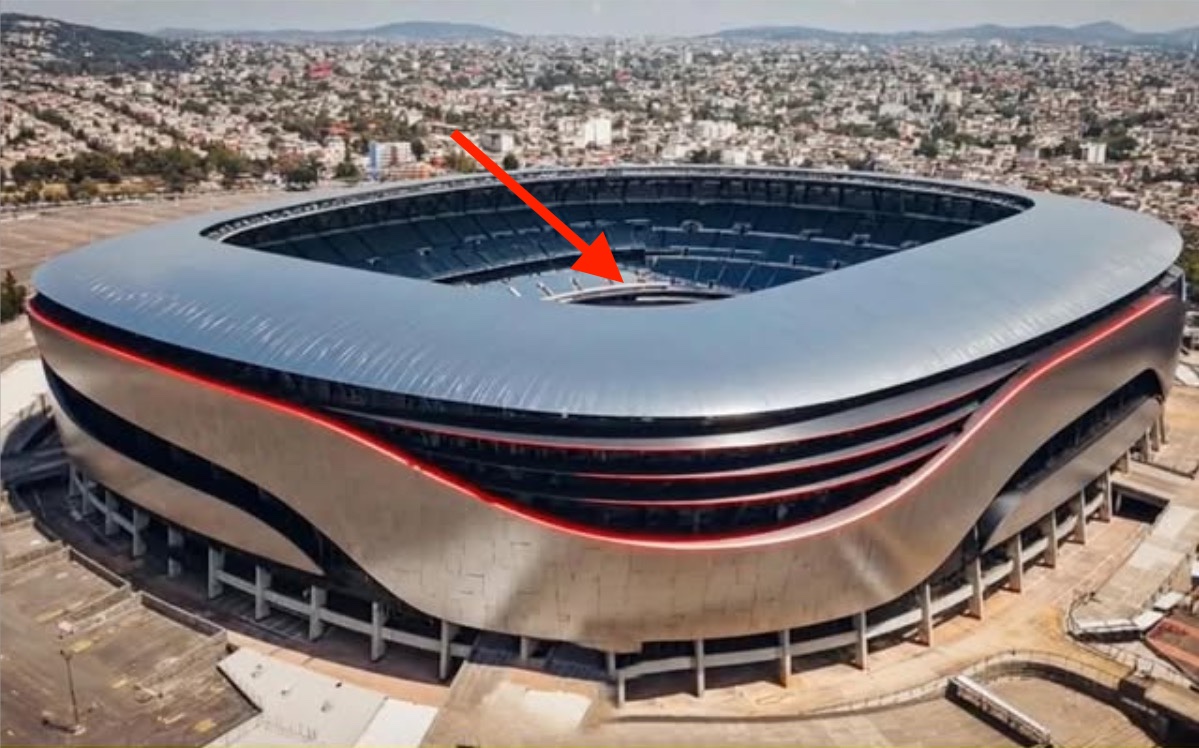
Another detail in the photo published on Instagram is the noticeable anomalies of superimposed stands, something that often happens when using generative AI:
So what remains to be verified (and what seems most doubtful) about the Estadio Azteca renovation?
The viral image claims many details that have not been officially confirmed or lack public documentary support:
- The exterior with a “metallic shell” completely surrounding the stadium, with integrated LED effects, does not appear as part of the official communications. Reports point to façade improvements and LED lighting, but not the completely metallic structure shown.
- Elements such as an exclusive hotel, commercial plaza, and pet-friendly area appear on the viral list, but media reports indicate that the exterior project (hotel, shopping center) “has been discarded” or at least reduced to focus on internal aspects of the stadium.
- Capacity of 90 thousand: this is mentioned in some media outlets that they aim to increase capacity to that number.
- Roof covering 80% of seats and escalators, elevators, etc.: there are no official sources confirming exactly those percentages or equipment in those terms.
What conclusion can we draw?
In short: the cosmetic and structural surgery of the Coloso de Santa Úrsula is real, underway, and marked by official commitments. But the viral image circulating —highlighted by the Instagram account— contains possibly exaggerated or AI-generated elements (as commented in the text) and is not supported by official communications.
From a marketing and business perspective, this situation leaves interesting lessons:
- The value of rumor: an image like this goes viral quickly —but it also generates expectations that may go unfulfilled, eroding trust.
- The need for transparency in large projects: when fans and stakeholders (neighbors, press, box owners) feel there is a lack of clarity, criticism emerges. In fact, tensions have been reported regarding box rights, the commercial name, and the exterior renovation.
In conclusion, the Estadio Azteca is indeed changing, it will be a host of the 2026 World Cup, and it will undergo a notable transformation. But the “bot-style” version of a shiny metallic wrap and all the imaginable luxuries looks like a hybrid of reality and a social media filter that deserves a critical pause, because communicating well is just as important as building well. Although, wouldn’t you love for the Coloso de Santa Úrsula to look like that?
Keep reading:
-
It’s not a rumor! Santana, Maná, and Alejandro Fernández will offer free concerts. All the details.
-
Visa launches commemorative card for the 2026 World Cup
-
FIFA opens second phase of 2026 World Cup ticket sales today, October 27: steps to buy
-
This is how companies should leverage the 2026 World Cup
-
When does the 2026 World Cup start?: Duration, broadcasts, venues, formats, tickets