The FIFA World Cup is not just a tournament. It is a tightly controlled ecosystem of commercial rights (trademarks, emblems, official signage, hospitality, ticketing, exclusivity zones, content and licensing) whose entire business model depends on one thing: sponsors must receive real, enforceable exclusivity.
That is why the event operates under a simple rule: if you didn’t pay for the rights, you cannot look “official.”
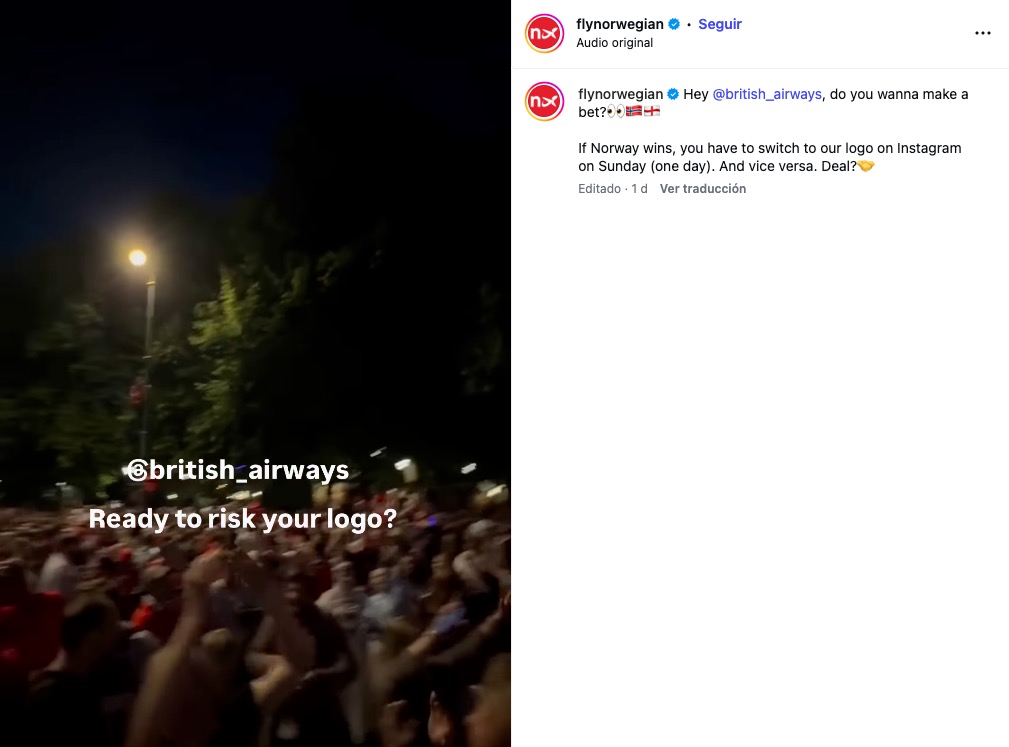
That appearance of official status is the core issue. In marketing terms, it is known as ambush marketing: strategies designed to capture attention or value from the tournament without being an official partner—either by association (suggesting a link) or by intrusion (showing up where you shouldn’t, especially near venues).
This is not theoretical. FIFA runs extensive brand-protection and on-site enforcement programs to prevent non-sponsors from piggybacking on the event without contributing.
What non-sponsor brands are NOT allowed to do
1) Use registered trademarks or confusing “variations”
What is prohibited goes far beyond logos. In practice, restrictions typically include:
- Use of official trademarks, emblems, trophies, typography, slogans—and even modified versions that could mislead consumers into believing there is official endorsement.
- Messaging that suggests “official sponsor,” “official partner,” “official team,” “official experience,” or similar claims without authorization.
In past enforcement actions, FIFA has made it clear that even altered or indirect references that create unauthorized association can qualify as infringement within event zones or activations.
2) “Buy” the event through language (indirect association)
This is the most common gray area. Brands avoid trademarks but construct narratives that strongly imply “we are part of the World Cup.” Risk increases when there is clear commercial intent and unmistakable references to the tournament.
A key legal precedent is Brazil’s Lei 12.663/2012, enacted for the 2014 World Cup. It defines “ambush marketing by association” as promoting brands or products to gain advertising advantage through direct or indirect association with the event or its symbols, leading the public to believe there is approval or endorsement.
3) Use tickets or access as promotional leverage
One classic trap is “buy X and win World Cup tickets.” Under Brazil’s framework, even linking tickets, invitations or access to promotional activities without authorization was explicitly sanctioned.
While enforcement mechanisms vary by country, the global pattern is consistent: World Cup tickets are not a free promotional commodity.
4) Invade event zones with unauthorized activations
This includes:
- Sampling or activations in stadium precincts, fan zones, access routes or designated “clean zones.”
- Tactical outdoor advertising designed to hijack attention near venues.
- Brand promoters attempting to gain camera exposure or fan interaction.
In Brazil, “ambush marketing by intrusion” is defined as exposing brands or conducting promotional activity in event spaces without authorization for advertising or economic gain. South Africa 2010 applied similar protections by designating the World Cup as a “protected event” under the Merchandise Marks Act.
5) Use teams or players as a shortcut without owning the rights
Brands may attempt to bypass FIFA by activating through teams, players or influencers. This is risky. FIFA rights, national team rights, league rights, player image rights and broadcaster rights are all separate.
Common risks for non-sponsors include using official imagery, crests, uniforms, footage, or creating narratives that feel “official” even when distributed via influencers.
6) Hack digital environments with signals of official status
In social and performance marketing, ambush tactics become surgical: keywords, hashtags, official-looking aesthetics, or phrases like “experience the World Cup with us.” Risk increases when:
- Consumers are confused about official status.
- Protected assets are used (names, emblems, trophies).
- Promises of “official” access or benefits are implied.
How enforcement actually happens
- Cease-and-desist letters and immediate takedown requests (OOH, digital, PR).
- Platform takedowns based on IP or trademark claims.
- Seizure of counterfeit or unauthorized merchandise.
- Revocation of credentials or removal from event zones.
- Ticket cancellation if terms are violated.
- Civil litigation, injunctions and legal damages.
FIFA frames these actions as part of its Rights Protection Programme, aimed at combating organized ambush marketing, counterfeiting and unauthorized commerce.
“Potential fines”: how penalties really work
Precision matters here. FIFA itself does not fine brands as a public authority. Instead, enforcement combines intellectual-property law, local regulations and venue rules.
That said, host countries sometimes enact specific legislation. Brazil 2014 remains the clearest case: Lei 12.663 introduced criminal and financial penalties for misuse of official symbols, unauthorized merchandise and ambush marketing (both by association and intrusion). South Africa used a “protected event” designation to enable stricter controls.
What this means in practice
For events like 2026, the most common exposure is not jail—but forced campaign shutdowns, sunk media and production costs, and administrative fines tied to local clean-zone regulations. In severe cases (counterfeiting, organized intrusion), criminal proceedings can occur, as seen in past tournaments.
Restrictions even official sponsors must follow
Here’s the part many brands underestimate: paying for rights does not mean total freedom.
1) Brand use requires approval
Sponsors must submit creative for pre-approval under strict brand guidelines governing tone, logo use, claims and combinations—designed to prevent dilution or reputational risk.
2) Category exclusivity comes with limits
Sponsorship agreements often include:
- Strict category exclusivity.
- Limits on sublicensing or “piggyback” partnerships.
3) Geography, timing and channels are restricted
Rights are not always global. They may vary by territory, time window, platform or format (stadium, fan zones, broadcast, digital).
4) Teams and players are not automatically included
Even top-tier partners may need separate agreements to use players, national teams or crests—preventing one deal from capturing all downstream rights.
5) Brand conduct and compliance
Highly regulated categories (alcohol, betting, pharma, fintech) face additional rules on responsible messaging, age limits and disclosures—on top of FIFA’s own standards.
The core idea: sponsorship buys the right to be official—not the right to be chaotic.
How non-sponsors can play it safe
The smart alternative is not “winking” at the World Cup, but operating in legitimate territories:
- Football culture without official symbols or claims.
- In-store and owned-channel experiences.
- Fan-centric editorial and social content.
- Talent partnerships with clearly defined rights.