The conception of a technologically advanced city has ceased to be a futuristic aspiration to become a tangible reality through Toyota Woven City, the ambitious project by Toyota that emerges at the foot of Mount Fuji in Japan. This experimental city, spanning 70 hectares, represents the crystallization of a vision that integrates sustainable mobility, cutting-edge technology, and human coexistence in an unprecedented urban ecosystem.
This is Woven City, Toyota’s sustainable city
The architectural materialization of Toyota Woven City has been entrusted to prestigious Danish architect Bjarke Ingels, whose proposal fuses traditional Japanese elements with contemporary innovations. This approach not only responds to aesthetic considerations but establishes the foundations for a symbiosis between the natural environment and sustainable urban development.
The infrastructure of Toyota Woven City is based on three fundamental technological pillars: autonomous mobility, domestic artificial intelligence, and energy sustainability. The city’s road network has been designed using a tripartite system: one path for high-speed vehicles, another for low-speed transport and pedestrians, and a third exclusively for pedestrians. This segmentation optimizes movement flows and minimizes the inherent risks of coexistence between different modes of transport.
In the realm of aerial mobility, the integration of eVTOL (electric vertical takeoff and landing vehicles) developed in collaboration with Joby Aviation represents a qualitative leap in urban transport. These electric air taxis, scheduled to begin operations in 2025, constitute an innovative solution for terrestrial traffic decongestion.
The residential dimension of Toyota Woven City incorporates artificial intelligence systems that transcend mere home automation. Smart homes implement a network of sensors that monitor residents’ health parameters, anticipate daily needs, and optimize energy consumption. The integration of assistive robots for domestic tasks exemplifies the materialization of automation in service of human well-being.
Energy sustainability is materialized through the implementation of solar panels and hydrogen fuel cells, configuring a self-sufficient energy generation system. The selection of construction materials, with emphasis on the use of wood, responds to the need to minimize the project’s carbon footprint.
The development of Toyota Woven City is structured in progressive phases. Toyota announced the completion of Phase 1 of Toyota Woven City at CES 2025. This marks the beginning of residential occupation, initially projected to house 100 inhabitants, mainly Toyota employees and their families. Subsequent expansion contemplates reaching a population of 2,000 residents, including external researchers and innovators.
The conception of Toyota Woven City as a living laboratory transcends its residential function. The city constitutes an experimental space where researchers, academics, and innovators converge to develop and optimize technologies aimed at solving contemporary social challenges. The implementation of an integrated urban operating system facilitates infrastructure management and interaction between residents, buildings, and vehicles.
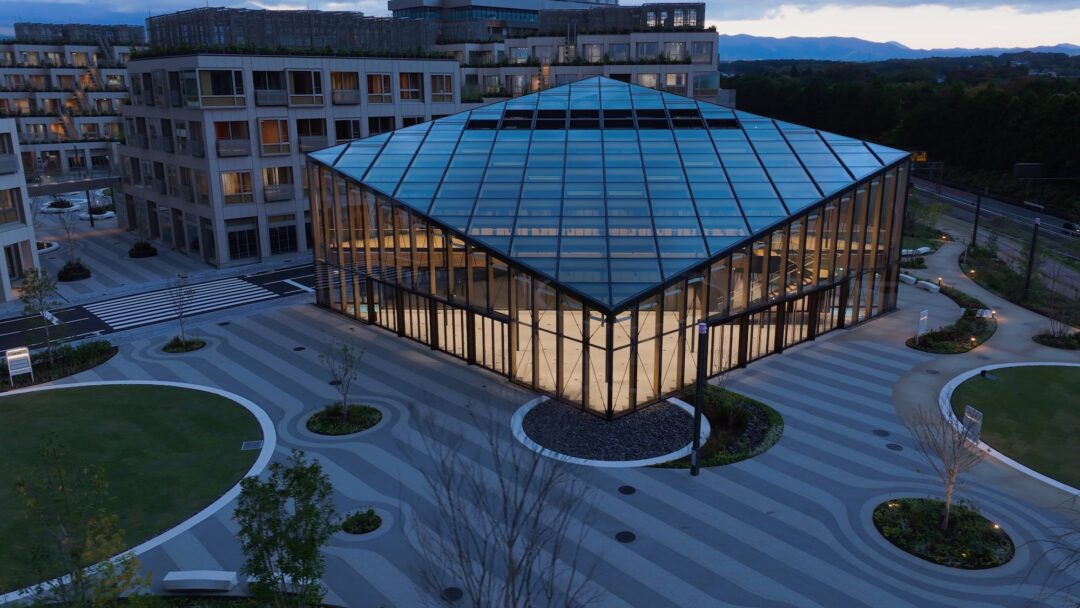
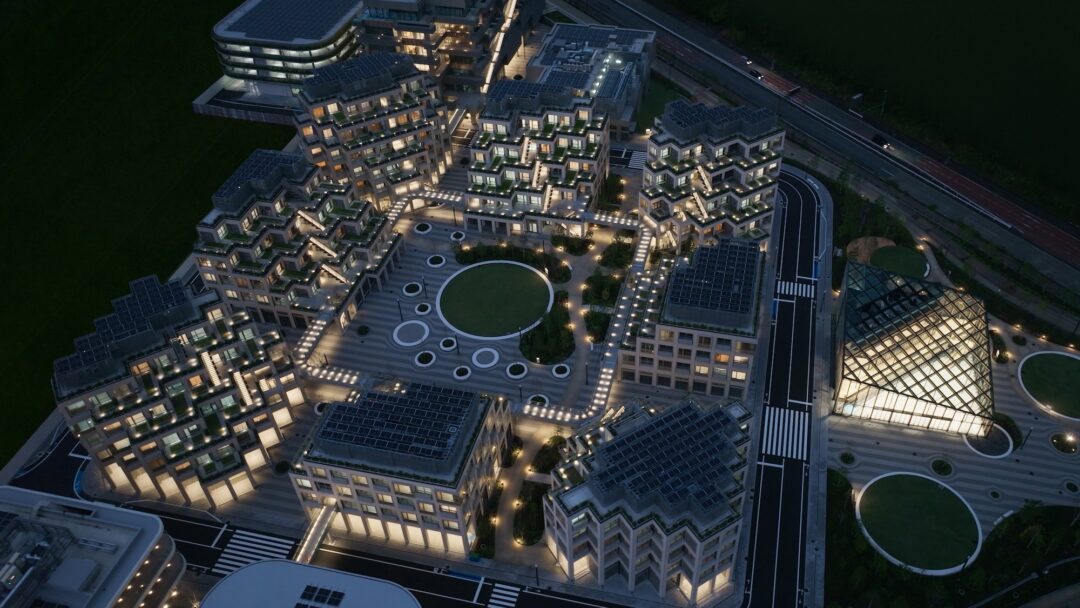

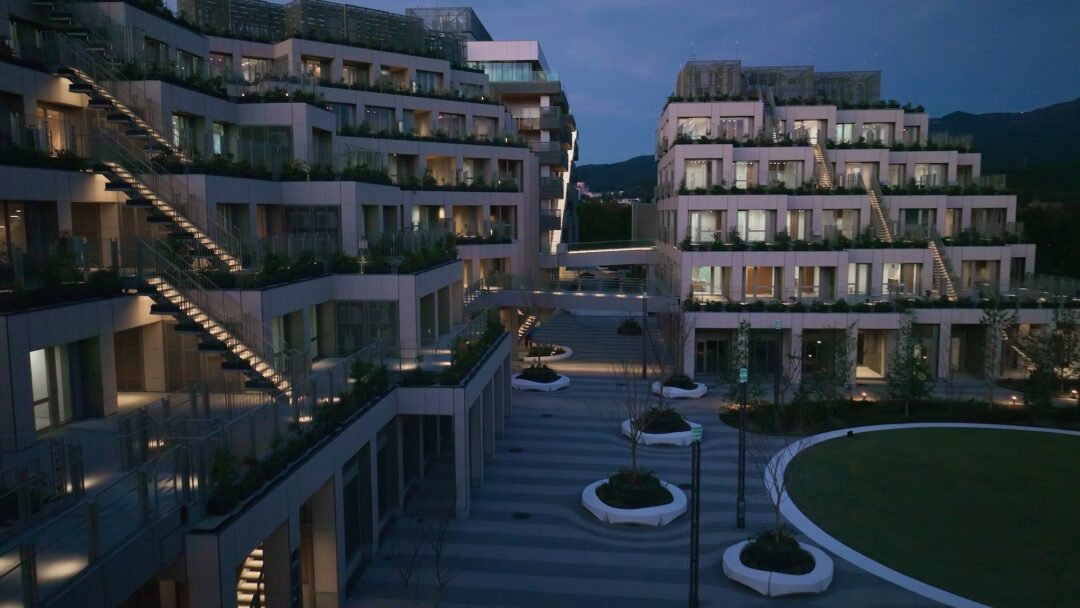
The repercussions of Toyota Woven City are projected in multiple dimensions. At present, the project catalyzes innovation in sustainable mobility, home automation, and urban management. The integration of autonomous and robotic technologies establishes paradigms for the development of smart cities. The future implications of the project extend toward redefining urban coexistence, optimizing energy resources, and evolving human-machine interaction. For the future, it lays the groundwork for the construction of new cities.
Toyota Woven City embodies the materialization of an urban vision where technology enhances the human experience without compromising environmental sustainability. The project establishes a precedent in the conception and development of future cities, where technological innovation is subordinated to the primary objective of improving the quality of life of its inhabitants.
The significance of Toyota Woven City lies in its ability to demonstrate the viability of a city that harmoniously integrates technological development, environmental sustainability, and human well-being. The success of this project could catalyze a global transformation in urban planning and development, establishing new standards for the cities of tomorrow.
You might be interested in:
-
Generative AI trends in marketing evolution in 2025
-
If you’re traveling to Europe in 2025, you should know what ETIAS is, how to process it, and when it comes into effect
-
Luxury brands runway with Artificial Intelligence (AI)
-
How artificial intelligence (AI) and new generations are transforming retail
-
How Artificial Intelligence benefits brands and businesses
-
Artificial intelligence and BTL Marketing, lights and shadows and areas of opportunity