In the world of retail in Mexico and Latin America, terms like offer, promotion, and discount constantly appear in advertisements and brochures. However, they are not interchangeable synonyms: each has a particular (legal and commercial) definition and is used for different purposes.
Profeco, Mexico’s Federal Consumer Protection Agency, warns that offers and promotions are often used interchangeably in advertising, but the law clearly distinguishes them. Understanding these differences helps both consumers (to buy wisely) and marketers (to design effective campaigns).
We will now explore their formal definitions, the legal (and tax) framework that governs them, and the strategies and outcomes each mechanism pursues, showing how these practices have shaped our consumer culture.
Definitions and conceptual distinctions: offer, promotion, discount
Legally speaking, an offer is usually understood as a reduced price for a product or service. The Federal Consumer Protection Law (LFPC) in Mexico states that when an advertisement contains phrases like “offer,” “discount,” or “clearance,” it refers to items “of the same quality at prices lower than the normal ones in the establishment.” In other words, an offer simply implies a price reduction from the list price.
A promotion, on the other hand, covers a broader set of added incentives. Profeco explains that a promotion involves giving something extra for free or at a special price with a purchase, or including added content or contests. Article 46 of the LFPC defines promotional activities as commercial acts that include additional incentives: for example, “buy a fridge and get a free pack of drinks” or “enter a contest by purchasing this product!”.
In Chile, the National Consumer Service (SERNAC) highlights the same idea: promotions are practices where the supplier offers ‘goods and services on more favorable terms than usual’ beyond just a price cut. In contrast, SERNAC defines offers as ‘goods or services at reduced prices for a limited time’, illustrating the distinction. Finally, a discount is simply the percentage or absolute price reduction. In practice, it is often treated as a synonym for an offer (20% off, $500 off), but more than a category itself, it is the mechanism used for the price cut in an offer or as part of a promotion.
Therefore, under Mexican law, terms like “discount,” “offer,” “sale,” or “clearance” are grouped under the same generic concept of a reduced price. In summary, we could say that every offer carries a discount, and promotions may include discounts or other incentives. In fact, the LFPC indicates that promotions may be labeled with expressions such as “offer,” “discount,” or “sale” as long as they include added benefits beyond the price reduction, like gifts or contests. This conceptual differentiation is key for informed consumers and essential for providers, as each term carries different obligations.
Legal and tax framework in Mexico (and examples in LATAM)
In Mexico, the LFPC provides the main framework for advertising offers and promotions. For example, no prior notice is required to run a promotion or offer, except in special cases where official standards impose limitations (art. 47 LFPC). However, suppliers must clearly communicate conditions: the advertisement must indicate the duration and the number of available items to avoid fraud or false expectations. If no time frame or volume is specified, the offer/promotion is considered indefinite until its end is announced.
Regarding legal requirements, LFPC (art. 48) prohibits misleading figures (e.g., advertising an obviously fake price to simulate a large discount). It also forbids unfair restrictions or tying purchases to other acquisitions (unless legally permitted).
Tax-wise, these operations must be properly recorded. The Value-Added Tax Law (IVA) in Mexico explains how to account for discounts and rebates. For example, Article 7 specifies that merchants who grant a discount must deduct the corresponding amount from their VAT declarations as long as it is documented (via CFDI) that the VAT was also refunded.
Other countries in Latin America—such as Argentina, Chile, Colombia, and Peru—have similar laws. These frameworks ensure transparency, protect consumer rights, and regulate advertising to avoid fake discounts or deceptive promotions. In many cases, removing a published offer requires issuing a public notice using the same medium as the original ad.
In summary, both in Mexico and across the region, regulations aim to prevent abuse, protect honest commerce, and enforce that all promotional benefits are clearly communicated and legally enforceable.
Examples in Mexico and Latin America
In everyday retail, these differences are applied on a large scale. For instance, national chains like Coppel turned promotional events such as Buen Fin into massive offer-driven campaigns. During Buen Fin 2024, Coppel advertised “various promotions” across categories like technology, fashion, toys, and home appliances. This included direct discounts (on watches, toys, etc.) as well as promotions such as interest-free monthly payments or gifts with purchase. Similarly, Liverpool frequently runs its famous “Night Sales” or “La Gran Barata,” featuring significantly reduced prices in multiple departments for a limited time. During these events, customers can obtain additional discounts—for example, Liverpool offers a 10% extra discount when paid with its store card, or 5% extra off when using a promotional app code.
This illustrates a structured promotion: the benefit (discount) is higher for a specific segment (cardholders) and conditional (must present card or code).
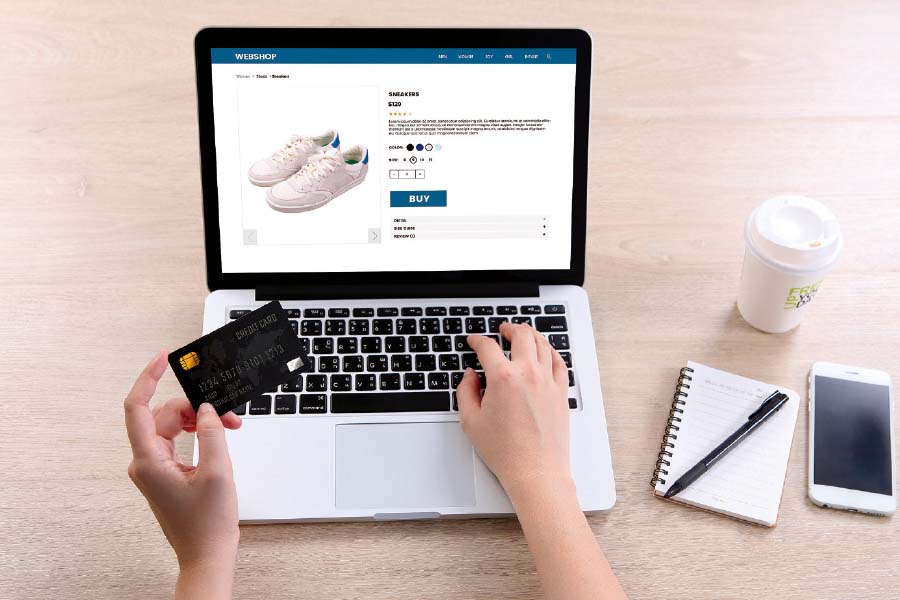
In the digital sphere, e‑commerce and delivery platforms also deploy these tactics. Rappi, operating in Mexico and other countries, launched a WhatsApp channel in 2025 to share exclusive promotions and coupons. Its CMO explained that the goal is that “our users not only learn about the best offers but enjoy the channel.” Promotions included drastic discounts on meals (“four tacos for $1,” pozole for $1) and markdowns up to 70% on burgers, as well as cashbacks (up to 99%).
These examples demonstrate a targeted short‑term promotion (only WhatsApp subscribers receive exclusive coupons), distinct from a simple fixed discount in a catalog. Like Amazon or Mercado Libre, Rappi frequently offers discount codes for new users (e.g., 50% off the first order) or memberships like “Prime” that provide free shipping for a period—here the incentive aims to attract digital customers and foster loyalty and frequency.
Department stores across Latin America behave similarly. For example, Falabella (in Chile, Peru, Colombia) organizes “night sales” and online events with huge discounts on multiple categories. Supermarkets also join in: chains like Walmart Mexico maintain everyday low-price strategies but launch special offers during Buen Fin or seasonal markdowns. Convenience stores provide weekly discounts on select items.
Each example embodies either a lower price (offer/discount) or added value (promotion). As Profeco warns, they watch for practices where a store inflates a base price before an event to simulate a fake discount.
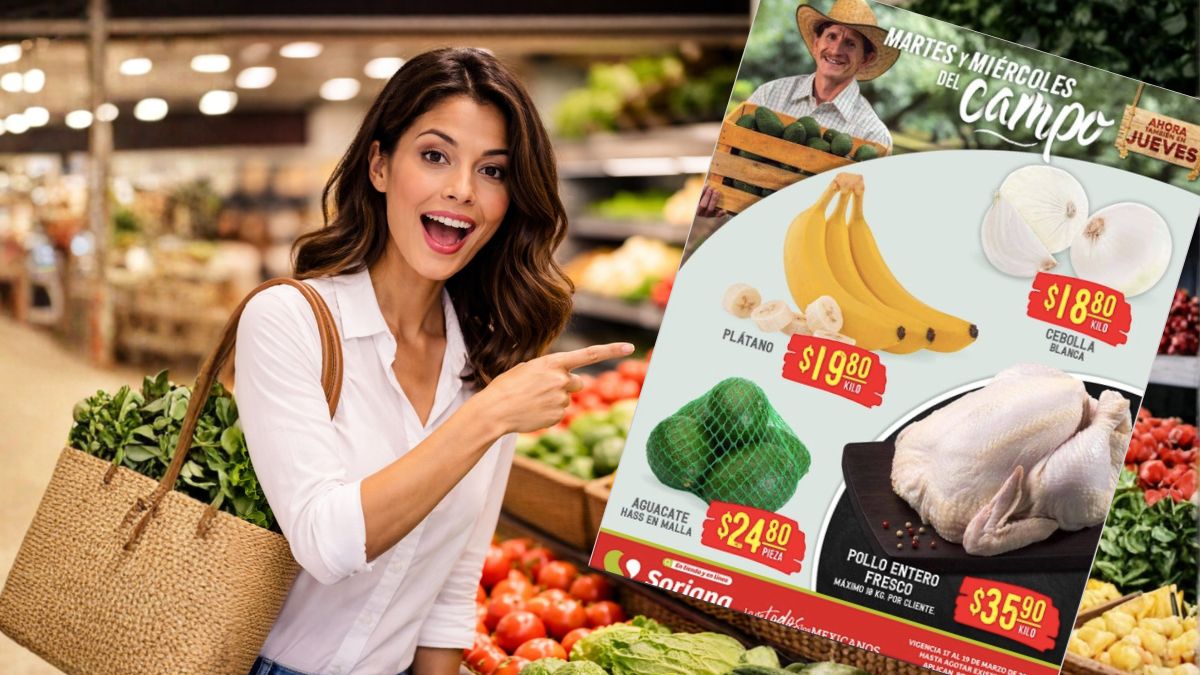
The retail ecosystem in Mexico and LATAM is full of concrete examples: from “Fresh Tuesdays” supermarket offers to mega sales in department stores. Each case shows how companies blend price reductions with added incentives to capture consumers.
Commercial strategies and objectives
Behind each offer, promotion or discount, there is a well-thought-out strategy. Sales promotions are key tools in the marketing mix: they adjust price and perceived value to achieve specific goals. A retail industry analysis in Mexico by Store Check highlights that direct discount (reducing price at checkout) is effective for stimulating immediate purchases and boosting short-term sales. For example, a 20% discount over a weekend can spike store traffic, although margins must be balanced.
Another tactic is 2×1 or 3×2 (“buy one get one free”), as famously executed in Soriana’s “Julio Regalado” campaign. Experts note these offers work well to clear excess inventory or introduce new products since you get more units for the same price. They attract customers who see great value and can foster loyalty (frequent buyers). The risk is that they may pull forward future purchases and reduce sales outside promotion periods. These are typically used for perishables or product line relaunches.
Discount coupons are another classic strategy. These can be distributed physically (flyers, tickets) or digitally (emails, apps). Coupons include welcome discounts, 10% off next purchase, spend-based discounts, etc. Their strength is in fostering loyalty: they encourage repeat purchases to redeem the coupon, generating recurrence. For example, a 10% next-visit voucher is effective in retaining customers after their first visit. Segment-specific coupons also work—retailers send exclusive codes to their database to reward loyalty.
Beyond price, gifts with purchase (or “promotional bonus”) add perceptible value without changing the base price. SERNAC uses the example “buy a fridge and receive a free pack of beverages.” These incentives (often free or heavily discounted) are seen as extra value by customers and help drive complementary product sales (e.g., beverages paired with appliances).
Modern incentives include loyalty programs (earning points for purchases redeemable for discounts or gifts) and exclusive digital or social media promotions (discounts for followers, online codes, flash sales in apps). Starbucks Mexico, for instance, excels in using its app to deliver geolocated, personalized promotions that enhance digital engagement.
Together, these promotional tactics support varied strategic objectives. Retailers must clarify goals before launching any incentive:
- Boost sales: increase unit volume during the promotion.
- Clear inventory: sell excess stock (e.g., from past seasons) through deep discounts.
- Acquire new customers: use discounts to attract consumers who don’t yet engage with the brand.
- Foster loyalty: reward frequent buyers with exclusive offers or perks to reinforce preference.
The right mix depends on context: a perishable item near expiration may benefit from a deep discount, while a new flagship product may perform better with a gift-with-purchase offer. Timing and frequency matter: flash offers create urgency, while point programs build long-term value.
Retailers categorize these tools by goal:
- Direct discount – for quick inventory rotation (high turnover, lower margin).
- 2×1 offer – to move large volumes (value perception, customer excitement).
- Coupons – to encourage repeat visits (loyalty-driven purchases).
- Point systems – to reward regular customers (frequent store visits).
Summarized:
- Price cut ➔ high immediate sales; may reduce unit margin.
- Extra incentive ➔ higher perceived value (boosts purchases).
- Future reward ➔ loyalty and repeat business.
These approaches are measured by tangible metrics: foot traffic, average transaction size, revenue per ticket, etc. Nielsen research shows that 6 out of 10 shoppers prefer brands offering promotions—demonstrating their power to attract customers. Yet, brands must avoid brand devaluation or cannibalizing future sales; hence retail strategies often involve market research and target-price calculations.
Smart shopping and consumer culture
Beyond numbers and tactics, these incentives shape consumer behavior. In the e‑commerce era, informed shoppers know how to compare deals and read the fine print. As Profeco’s message suggests, the goal is informed and reasoned consumption.
Savvy buyers plan their purchases: checking flyers on websites or apps of retailers (Walmart, Soriana, Coppel, Liverpool, El Palacio de Hierro, etc.), subscribing to price alerts or using tools like Profeco’s “Quién es quién en los precios.”
For example, Lucía, a mother in the State of Mexico, knows year-end sale traditions. In November 2024 she bought a refrigerator with 40% discount and, using her Liverpool credit card, got an extra 10% in interest-free installments (a promotion). She also used a 15% coupon on her next Walmart purchase from prior shopping. By comparing prices, reading the terms, and choosing the retailer that honored its offers—aware that Profeco watches compliance—she made informed choices.
These experiences reflect many Mexican consumer stories. Promotions are almost a national sport. Every campaign invites participation in deals or social media promotions. Emotionally, shoppers feel satisfaction in securing a great deal or gift. Marketers understand triggering that sense of “smart buy” is part of the strategy. As Profeco reminds us, success hinges on consumers understanding what an offer entails.
In this environment, businesses bear responsibility: customers deceived by false offers won’t return. Profeco stresses transparency and fairness. Amid discount fever, it urges people to shop via official channels and avoid buying from informal sources or social media scams. These messages appeal to logic: smart shopping means saving safely.
For entrepreneurs and marketers, this reality is inspiring: see how pricing strategies can change lives (allowing families to access quality appliances at lower cost), and how creative couponing, interactive contests, and partnerships with financial products build loyalty. In practice, that means offering genuine discounts and real benefits—reinforcing customer relationships.
In conclusion, offers, promotions, and discounts are complementary elements of commercial strategy. Offers (price cuts) attract volume; promotions add extra value to differentiate; discounts are tactical tools to enact the offer. Each mechanism requires compliance with legal and fiscal rules in Mexico and LATAM. For consumers, knowing how these incentives work means shopping wisely. For marketers, the challenge is to design creative but transparent campaigns that build trust. As Sheffield says: let the market function—supplier and consumer can agree—in mutual benefit. A well-informed shopper will buy smart; a savvy retailer will earn loyalty. Their alliance is the foundation for effective incentives in Latin American retail. What do you think?
You may also be interested in:
-
Amazon Prime Day 2025: Banking promotions you can’t miss
-
Mercado Libre Unboxing Days 2025: When do they start and what promotions are there this year?
-
What are Domino’s Flash Days and what promotions do they offer?
-
Why 3×2 promotions are a success in retail
-
Exclusive promotions: the hook of loyalty programs
-
Applications of generative AI in retail promotions
-
Sam’s Club announces Socio Fest 2025: When is it and what promotions will there be?
-
Beyond the discount: Effective promotions for online customers