As we move through 2026, marketing is entering a stage of maturity unlike recent years. The conversation is no longer focused solely on new platforms or emerging formats, but on how technology—especially artificial intelligence—intersects with deeply human needs: belonging, memory, clarity, and meaning in an increasingly complex world.
For marketing leaders, the question is no longer where to be, but how to connect in an ecosystem where people move simultaneously between channels, screens, emotions, and contexts. Strategic decisions are now made in a hybrid environment where data, culture, and human judgment coexist in real time. In this context, Google outlines four marketing trends brands should be paying close attention to: AI, nostalgia, short-form video, and creators.
Artificial intelligence no longer speeds up tasks—it speeds up decisions
New contextual AI tools such as NotebookLM mark a turning point. It’s no longer just about automating processes, but about “conversing” with a company’s own data to uncover patterns, hypotheses, and scenarios that were previously hidden.
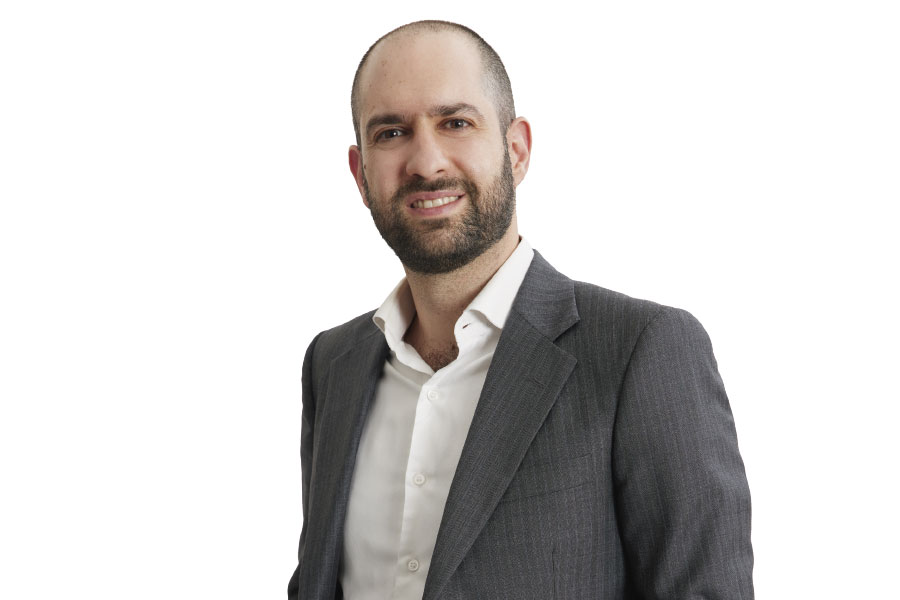
From the perspective of Ramiro Sánchez, Senior Director of Marketing at Google Latin America, the power of AI is shifting from execution speed to thinking speed. In other words, technology processes oceans of information so leaders can apply their most valuable asset with greater clarity: human judgment.
This shift redefines the role of marketing—from reactive operations to strategic interpretation.
Search is transforming
The way people search for information has already changed. The adoption of conversational search experiences, such as AI Mode, allows users to combine text, images, and audio to explore topics with unprecedented depth.
For brands, this means moving beyond the limited logic of bidding on keywords and advancing toward Generative Engine Optimization (GEO): building ecosystems of reliable, useful, people-centered content.
In 2026, the brands that stand out will no longer be just search results, but active guides in the consumer discovery journey.
Nostalgia, but with purpose
Nostalgia has evolved from a simple visual device into a driver of intergenerational connection. Recent studies show that nostalgic campaigns can increase brand favorability by up to 20%.
A landmark example was Nintendo’s campaign that brought back Paul Rudd in the same role he played in a 1991 commercial to introduce its new console. It didn’t just sell a product—it reactivated a shared emotion and bridged a cultural gap of more than three decades.
Brands that understand this phenomenon don’t simply look backward; they enable remix culture. They recover symbols from the past and hand them over to participatory culture so new generations can reinterpret them through Shorts, memes, or social trends.
Video is no longer short or long—it’s fluid
The debate between short-form and long-form video is over. In 2026, consumption is hybrid and complementary. In Mexico, 97% of Gen Z reports consuming both formats on YouTube, depending on their need: discovery or depth.
Shorts serve as the entry point: 61% of young people in Mexico say this format helps them discover new brands. Long-form video, on the other hand, builds loyalty, credibility, and fandom.
The winning strategy is the “bridge”: use short-form content to attract, and long-form content to convert.
Creators, trust, and commerce
The relationship between creators and audiences has evolved into shared shopping experiences. Formats like unboxings, hauls, and reviews have long driven collective discovery, but today—with YouTube Shopping tools—that emotion turns into action.
In Mexico, 84% of consumers believe YouTube hosts the most trustworthy creators for product recommendations, outperforming other platforms. That credibility fuels an ecosystem where community, format, and product reinforce one another.
Maybelline’s case—achieving 4x engagement and a 25% lift in ad recall by collaborating with micro-influencers for the Sunkisser launch—proves that effective influence no longer depends on massive reach, but on real affinity.
Thinking better instead of doing more
Marketing trends for 2026 point to an uncomfortable but necessary truth: growth will not come from multiplying efforts, but from refining decisions.
The challenge for brands isn’t adopting every trend, but understanding which ones genuinely resonate with their communities. Because in a world saturated with stimuli, the true competitive advantage isn’t making more noise—it’s thinking better… and connecting with what truly moves people.
Keep reading:
-
B2B content marketing trends for 2026: write with intent or disappear
-
Marketing trends 2026: a year between artificial intelligence, emotion, and ethics
-
5 key digital marketing trends for 2026, according to Amazon Ads
-
Video marketing trends for 2026: formats, technology, and content that will dominate
-
Social commerce 2026: trends that will change the way we shop on social media
-
How to apply successful co-branding in 2026: trends and keys for brands to win together