For years, the dominant narrative in marketing revolved around the idea that the consumer is omnichannel. A customer who researches on mobile, compares on a laptop, buys in-store and complains on social media. A sophisticated consumer who moves naturally across channels. But the evidence of real behavior tells a different story.
The contemporary consumer is less omnichannel and more impatient. They have no problem switching channels, brands or stores if something becomes complicated. In an environment where alternatives are only one click away, the real enemy of conversion is no longer price or direct competition. It is friction.
The paradox of abandoned carts
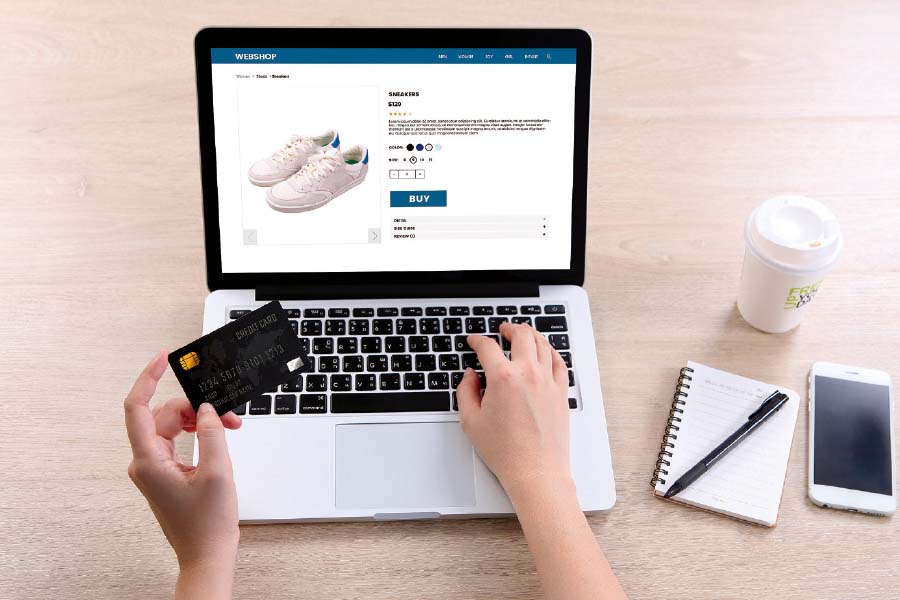
Few metrics illustrate this phenomenon better than cart abandonment. Studies place the global average online cart abandonment rate at around 70%, meaning seven out of ten users who add a product to their cart never complete the purchase.
This is not irrelevant traffic: these consumers already showed purchase intent. In business terms, it is the digital equivalent of a shopper walking up to the checkout with products in hand… and then leaving the store without buying them. The losses are significant. Some estimates suggest cart abandonment represents billions of dollars in lost ecommerce sales every year worldwide.
The question, then, is not whether consumers want to buy. The real question is what makes them quit at the last moment.
When experience kills conversion
Data shows that much of the problem is not price, but experience. The most common frictions are surprisingly simple: long checkout processes, slow-loading pages, endless forms, or the requirement to create an account before paying. In many cases, a small obstacle is enough to break the buying impulse.
For example, research on digital experience shows that 57% of consumers abandon a purchase if a page takes too long to load. In other words, shoppers are not comparing prices during those seconds of waiting. They are losing patience.
The same happens with checkout complexity. On average, checkout flows include more than twenty form elements, while best practices recommend reducing them to nearly half. That seemingly minor difference can increase conversions by more than 35% when the process is simplified.
The uncomfortable conclusion for many companies is this: a large share of lost sales is not caused by the market, but by the digital experience itself.
The marketing problem: obsession with acquisition
Here a necessary criticism emerges. Many organizations invest millions attracting traffic — SEO, performance advertising, social media, influencers — but dedicate only a fraction of that effort to optimizing the most important moment: the purchase.
It is a common paradox. Marketing celebrates a 20% increase in traffic while the business loses up to 70% of potential conversions at checkout.
The obsession with acquisition has a cultural explanation: growth is visible, while friction is silent. Dashboards celebrate clicks, impressions and visits. But user frustration rarely appears in a marketing presentation. And yet that frustration is the real leakage point.
Impatience as the dominant behavior
The digital consumer lives in an environment of instant gratification. Immediate streaming, same-day delivery, automated responses and navigation measured in seconds. This culture of immediacy reshapes the basic expectation of any shopping experience. When an online store demands too many steps, the consumer does not negotiate. They leave.
In many cases, they do not even leave to reflect. They go somewhere else that solves the purchase faster. In fact, studies indicate that nearly 40% of shoppers who abandon a cart end up buying from a competitor.
In this context, loyalty becomes fragile. Not because consumers are disloyal, but because the market has become too efficient.
The real battlefield: invisible friction
The great mistake of many omnichannel strategies is assuming that consumers want to interact with brands across multiple channels. In reality, what they want is to solve their need with the least possible effort. That means understanding that every second of loading time, every form field and every extra step is a cognitive cost for the user.
Digital experience does not compete against other stores. It competes against human patience.
The new mandate for marketing and retail
If the consumer is not omnichannel but impatient, then the true strategic work moves elsewhere. Competitive advantage is no longer only in the product or communication, but in the systematic elimination of friction. Simplifying processes, anticipating questions, reducing steps and designing experiences that match the mental speed of the user.
It is not glamorous. It does not generate award-winning campaigns or creative trophies. But it is one of the most direct ways to grow. Because in contemporary commerce, conversions are not lost due to lack of intent — they are lost due to lack of patience.