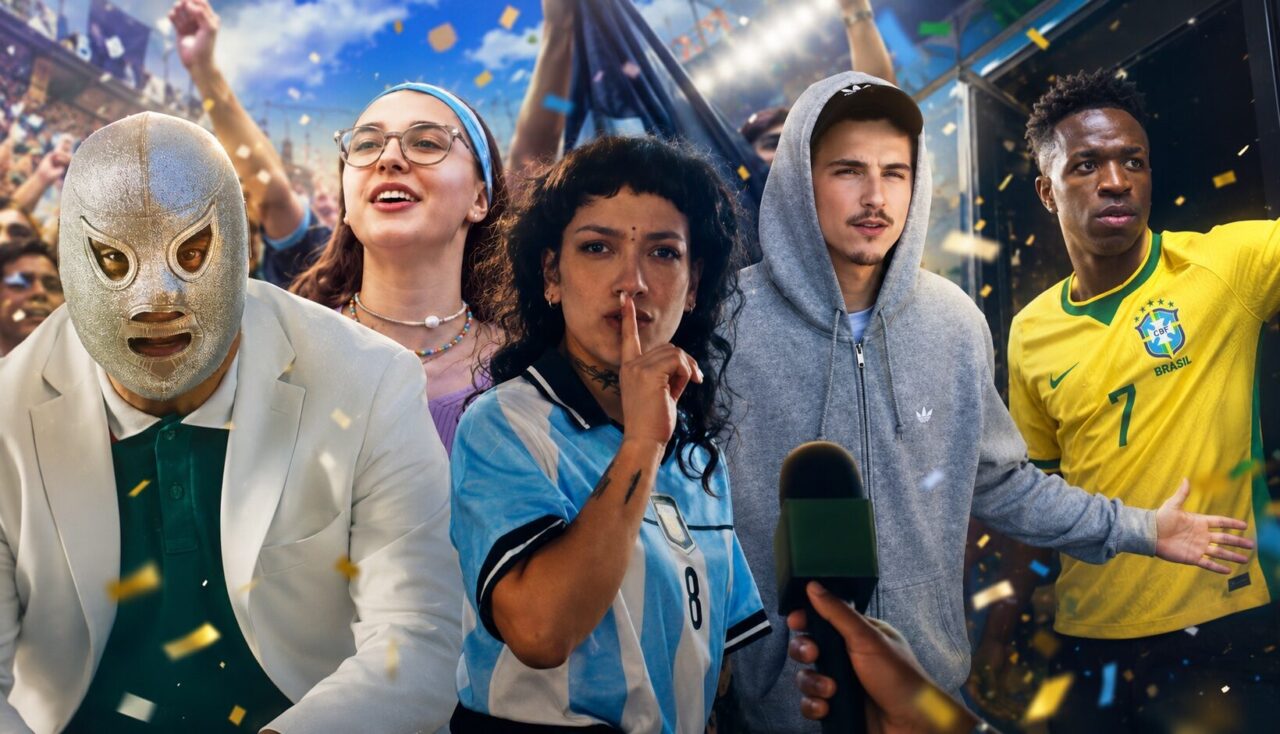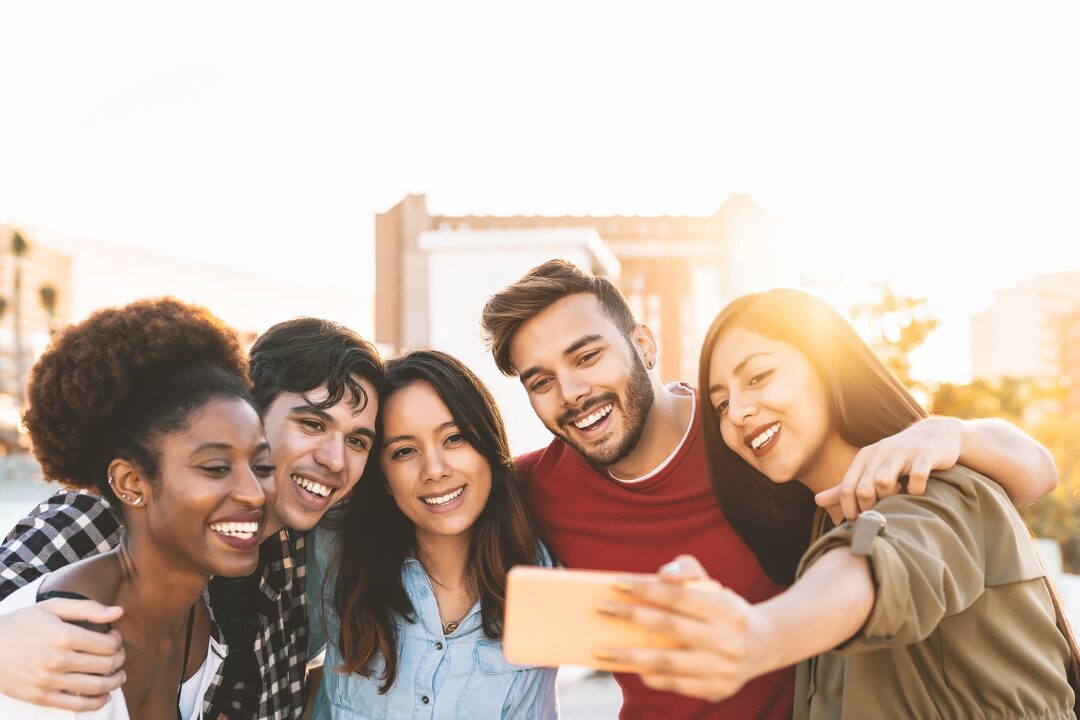
When it comes to media, U.S. Hispanics are no longer passive consumers. They are curators, critics, and creators of the digital experience. According to the Nielsen Hispanic Diverse Intelligence Series 2025 – “Curating the Narrative”, this vibrant community of more than 68 million people is reshaping the way content is discovered, shared, and valued. And while the general population might still be negotiating the balance between linear TV and streaming, Hispanics have already redrawn the map with their own flavor of media consumption.
The Rise of the Media Curator
Nielsen’s report reveals that Hispanics spend fewer hours overall with media compared to the U.S. average. But here’s the twist: every minute matters more. Rather than binge-watching without direction, Hispanics are intentional curators. They actively select platforms that allow for personalization, flexibility, and authenticity. Streaming dominates this landscape—Netflix, YouTube, and other digital platforms are at the center of Hispanic households—yet linear Spanish-language TV continues to thrive. Why? Because telenovelas, variety shows, and live sports remain cultural anchors. In other words, while many Americans are “cutting the cord,” Hispanics are weaving a more complex media tapestry.
A Tale of Two Screens: Streaming and Linear TV
It would be simplistic to say Hispanics have abandoned TV. In fact, Nielsen notes that Spanish-language linear programming still commands loyalty, particularly among multigenerational households where grandparents, parents, and children share the same screen. These families toggle seamlessly between a novela on Univision, a YouTube comedy clip, and a Netflix documentary—sometimes all in the same evening. This duality illustrates a key cultural insight: for Hispanics, media is less about devices and more about community. The living room remains sacred, even if the content comes from different sources.
The Digital Gap in Spanish-Language Advertising
If Hispanics are redefining media, advertisers are lagging behind. The Nielsen report highlights a stark imbalance: during Q1 2025, online retailers spent $363.4 million on digital ads in English, but only $3.38 million in Spanish. That’s less than one percent. Yet, of that sliver of investment, 96% went to YouTube—the platform that accounts for 21% of digital TV time among Spanish-speaking audiences. This mismatch underscores a troubling reality: brands are willing to court Hispanic dollars but often fail to speak in the language—and cultural context—that resonates most.
From Consumers to Creators
Representation is another fracture point. Hispanic faces and voices remain underrepresented in mainstream campaigns and media productions. In response, many Hispanics have become creators themselves. Social media platforms are filled with Latino comedians, beauty experts, food vloggers, and community storytellers who fill the void left by traditional media. As Nielsen emphasizes, this DIY content ecosystem is not just entertainment—it is a corrective measure, ensuring that cultural narratives are told authentically and directly. The result? An increasingly influential class of “algorithm influencers” who shape digital trends from the ground up.
Trust and the Power of Audio
Another critical insight from Nielsen: Hispanics are 62% more likely than the general population to act after hearing a podcast ad. Audio, whether through traditional radio or on-demand podcasts, remains one of the most trusted and effective formats. It’s intimate, mobile, and deeply connected to culture. For brands, this is a wake-up call—investing in audio isn’t just a tactic, it’s a strategic gateway into Hispanic trust.
Cultural Authenticity as Currency
The central message of Nielsen’s 2025 report is clear: culture is not a side dish, it is the main course. For U.S. Hispanics, media choices are guided by identity, language, and representation. Every streaming pick, every podcast episode, every novela watched with family carries cultural weight. And brands that recognize this truth—and invest accordingly—will not just reach an audience, they will gain loyal advocates.
The Road Ahead
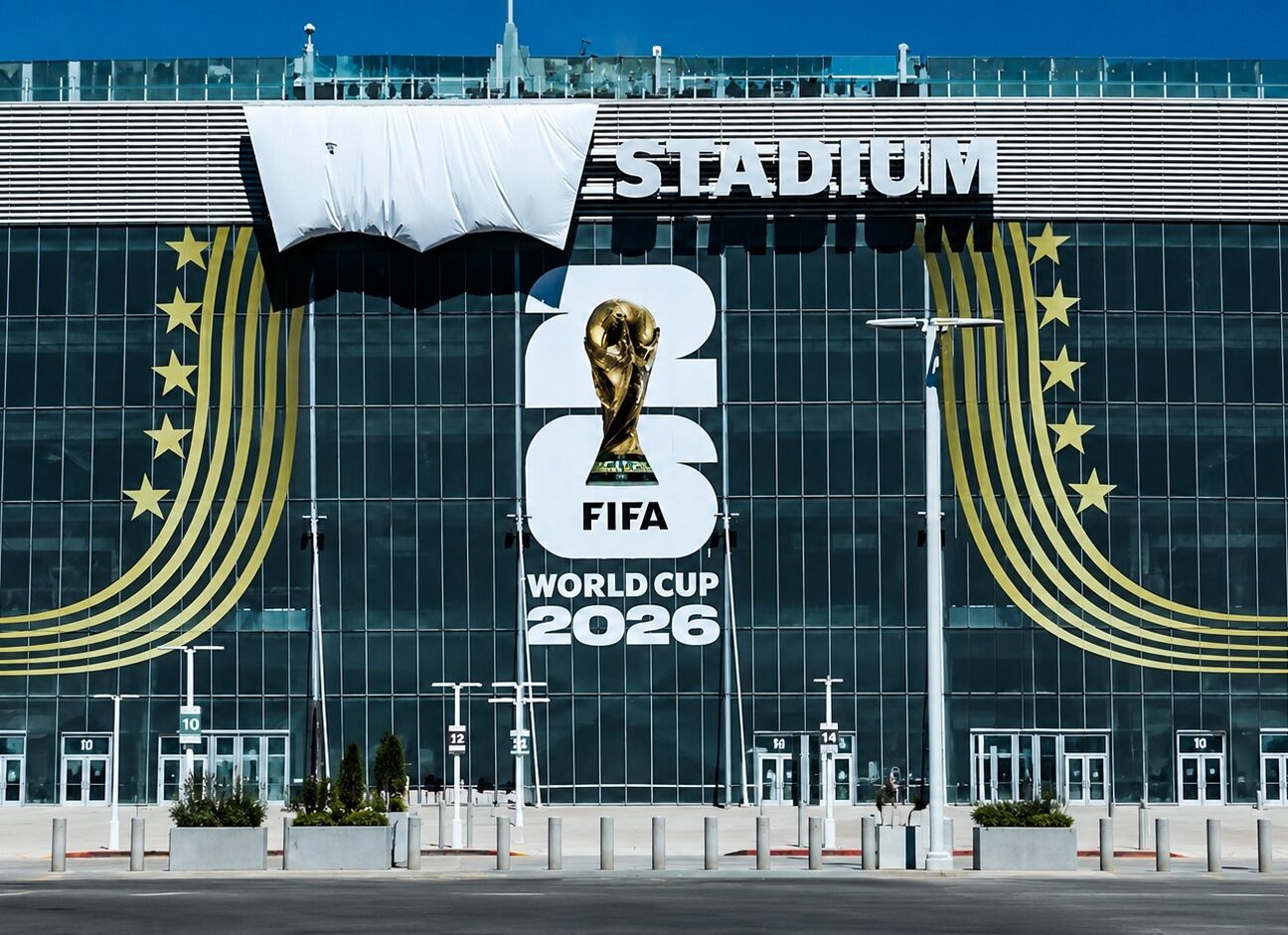
As the U.S. heads toward the 2026 FIFA World Cup, co-hosted across multiple American cities, the Hispanic audience will only become more central to the media and marketing conversation. Soccer is already a unifying force, but it is also a metaphor: just as the game thrives on fluidity, creativity, and community, so too does Hispanic media consumption. The opportunity is there—for platforms, creators, and brands willing to play with authenticity and respect.