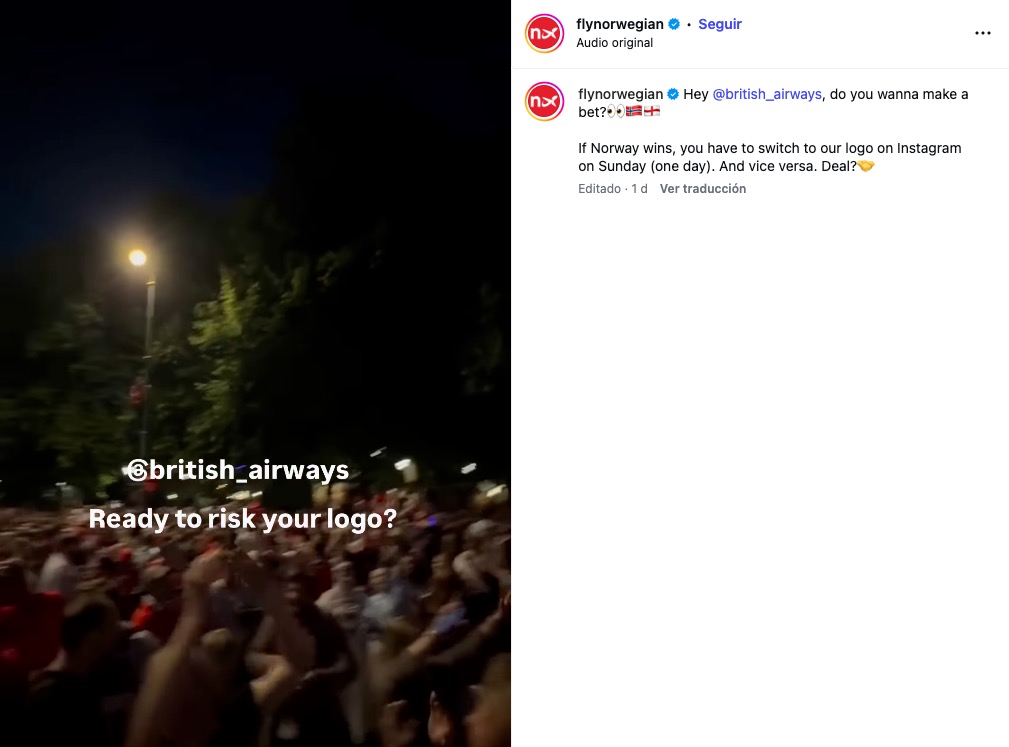
In 2026, events are no longer just places where people gather. They are now one of the most powerful media channels in the marketing ecosystem.
The global live events industry is projected to surpass US5136.11 billion in 2035, according to Allied Market Research, driven not by concerts alone, but by brand activations, sports experiences, and hybrid entertainment formats. In North America, live experiences have become one of the fastest-growing advertising investments, outpacing traditional digital display in growth rate, according to PwC’s Global Entertainment Outlook.
The Experience Economy Has Overtaken Advertising
Why brands now invest more in moments than in media buys
The reason is simple: audiences are no longer satisfied with watching brands. They want to experience them.
The traditional event model, built around stages, booths, and passive audiences, has been replaced by immersive, multi-layered environments designed to generate participation, content, and data. In the era of TikTok, Twitch and Instagram Reels, every event is now built with two audiences in mind: the people who attend and the millions who will watch it online afterward.
According to a 2025 Nielsen study, content generated inside live events delivers 3.4x higher engagement than traditional brand content on social media.
Events Are Now Content Factories
Why one night can generate months of social reach
Major brands no longer see events as moments, but as content engines that live across platforms for weeks. This shift is especially visible in the U.S. and Mexico, where sports, music and esports events have become the backbone of youth culture. The Kings League, Formula E, NFL Mexico Games, NBA Mexico Games, Formula 1, MLB Mexico Series and festivals like Corona Capital, EDC, and Tecate Pal’ Norte now function as always-on content ecosystems.
Brands like Gatorade, Nike and Red Bull have learned that the venue is no longer just a physical location. It is a broadcast studio.
From Stages to Story Worlds
How immersive design replaced traditional event formats
Gatorade’s “Sportscaster Game” showed what this looks like in action: a journalist running on a treadmill while narrating goals, broadcast to over 20,000 fans in-stadium and millions on TikTok Live. It was not a stunt. It was a new kind of media.
According to Event Marketer’s 2025 benchmark report, 74% of consumers say they are more likely to buy from a brand after an immersive experience, compared to 42% after a digital ad.
In 2026, brands are no longer renting stages — they are building story worlds.
Mexico Has Become a Global Event Lab
Why launches in Mexico City now echo worldwide
With more than 90 million smartphone users and one of the world’s highest social video consumption rates, Mexico has become one of the most important markets for hybrid experiences. An activation in Mexico City is no longer local. It is global by design.
This is why international brands now pilot formats here before rolling them out in the U.S., Europe and Asia.
The Ticket Is No Longer the Product
How experiential upselling is redefining event economics
Events in 2026 operate with layered monetization: VIP zones, premium lounges, branded moments and backstage experiences. According to Deloitte’s Sports Industry Outlook, up to 35% of event revenue now comes from experiential upsells, not basic tickets.
People are not paying to enter. They are paying to belong.
Events Have Become Data Platforms
Why brands now treat venues like living CRMs
RFID wristbands, QR interactions, apps and facial recognition allow brands to track behavior in real time. A 2025 Salesforce study found brands using event data to personalize follow-up marketing increased conversion rates by over 40%.
The venue is now a living database.
Why 2026 Belongs to Live Experiences
Where emotion, content and commerce finally meet
In a world where attention is fragmented, events offer something no algorithm can: total presence. They create moments that are emotional, measurable and infinitely shareable.
In 2026, live experiences are no longer a marketing tactic. They are the media channel.
Keep reading:
-
NRF 2026: when and where it will take place, agenda, brands attending, and everything you need to know about the retail event
-
Social commerce 2026: trends that will change the way we shop on social media
-
How to apply successful co-branding in 2026: trends and keys for brands to win together
-
This is how brands play on the marketing field