In the universe of credit cards, few offers look as compelling on paper as the Costco Anywhere Visa by Citi in the U.S. High cashback, no additional annual fee, and the backing of one of the most efficient retail brands in the world. On paper, the equation seems obvious. In reality, it isn’t.
According to an analysis published by The Epoch Times, the real value of this card doesn’t lie in its advertised perks, but in something far less comfortable: how you actually spend your money.
The illusion of high cashback
For 2026, the card offers an attractive structure:
- 5% cashback on gas at Costco
- 4% on other gas stations and EV charging (with a $7,000 annual combined cap)
- 3% on restaurants and travel
- 2% on Costco purchases and 1% on everything else
But here’s the first friction point. Those benefits only materialize if your household spending is heavily concentrated in those categories. Otherwise, your real average quickly drifts toward 1%, where much of everyday spending lives: insurance, utilities, online shopping, or healthcare.
The number that matters isn’t the percentage—it’s the average
The most common mistake consumers make is focusing on the highest percentage. The right approach is calculating the weighted average. The cited analysis shows a typical case: a household spending $28,000 annually across gas, Costco, restaurants, and other categories can generate around $690 in rewards, equivalent to an effective rate of 2.46%.
At first glance, that beats standard 2% cashback cards. But the margin is thinner than it appears—and entirely dependent on maintaining that spending pattern. If gas usage or Costco purchases decline, the return drops, along with the perceived advantage.
The detail that changes everything: annual payout
There’s another factor often overlooked: cashback isn’t immediate. Unlike many cards that offer monthly rewards, the Costco Anywhere Visa pays out once per year, as a certificate redeemable at Costco warehouses.
This changes the nature of the benefit. It’s no longer steady cash flow that improves monthly liquidity, but a delayed incentive that requires financial discipline and patience. For some households, that’s fine. For others, it limits flexibility.
Who should get the Costco Anywhere Visa?
According to the analysis, the card works best for very specific profiles:
Households that:
- spend heavily on gas (especially at Costco)
- dine out frequently
- travel multiple times per year
- shop consistently at Costco
- pay their full balance every month
In other words, consumers with stable, disciplined habits aligned with the bonus categories.
For them, the card can consistently outperform a 2% return.
Who shouldn’t get the Costco Anywhere Visa?
For everyone else, the story changes. If spending is spread across categories that only earn 1%, or if Costco isn’t a central shopping destination, a flat 2% cashback card may deliver equal or better value with less complexity.
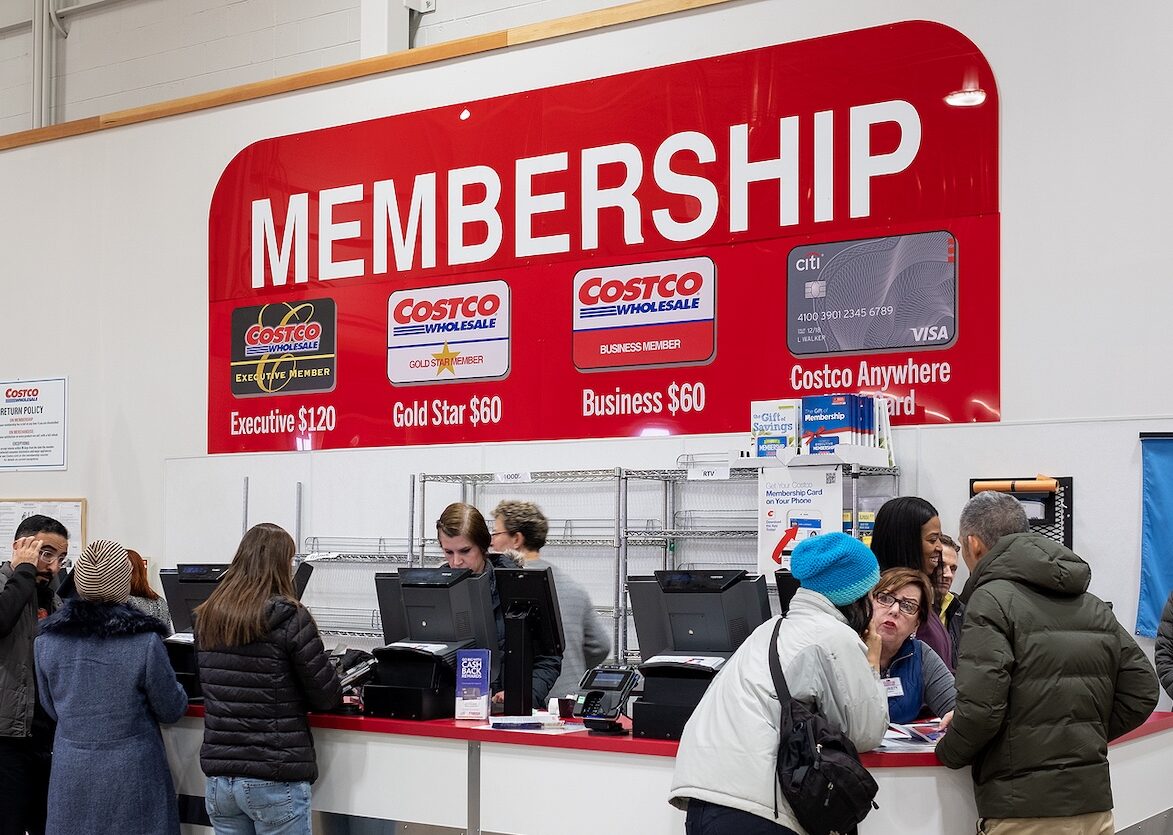
There’s also a factor often ignored in marketing narratives: the Costco membership cost. While the card itself has no annual fee, it requires an active membership, which should be included in the real value calculation.
The silent trap: interest rates
There’s one final point that cashback enthusiasm tends to hide: interest rates. Like any credit card, APR can exceed 20%. If you carry a balance, any rewards quickly disappear. In that sense, cashback becomes irrelevant compared to the financial cost.
A lesson in consumer behavior
The case of the Costco Anywhere Visa reveals something broader about today’s financial market. The most attractive offers are not necessarily the most valuable—they are the ones that best align with real consumer behavior.
The key question isn’t how much the card offers, but how much of that value you can actually capture without artificially changing your spending habits. Because when a card forces you to modify behavior to justify its value, it stops being a financial tool and becomes a marketing strategy. And as is often the case in modern consumption, the difference isn’t in the product—but in how clearly the user understands what they’re really buying.